Blog

  • Tour of Paleopolis in – Kanoni – original site of Old Corfu.

    Tour of Paleopolis in – Kanoni – original site of Old Corfu.

    On Thursday 16th January, we met outside the gates of Mon Repos to start our tour of the old town, guided by Hilary Paipeti, originator of  the Corfu Trail.

    We were lucky to have a crisp sunny morning for our stroll.

    Hilary had given us home work in the form of information on leylines which trace energy fields across the continent of Europe. The idea that thousands of years ago, man was able to identify lines of connectivity linking major sites of worship across such a large space is truly incredible. Given that the authorities in Gatwick airport are challenged by an electronic drone in the 21st Century, one really must ask how the ancients were able to trace lines without any technology at all.
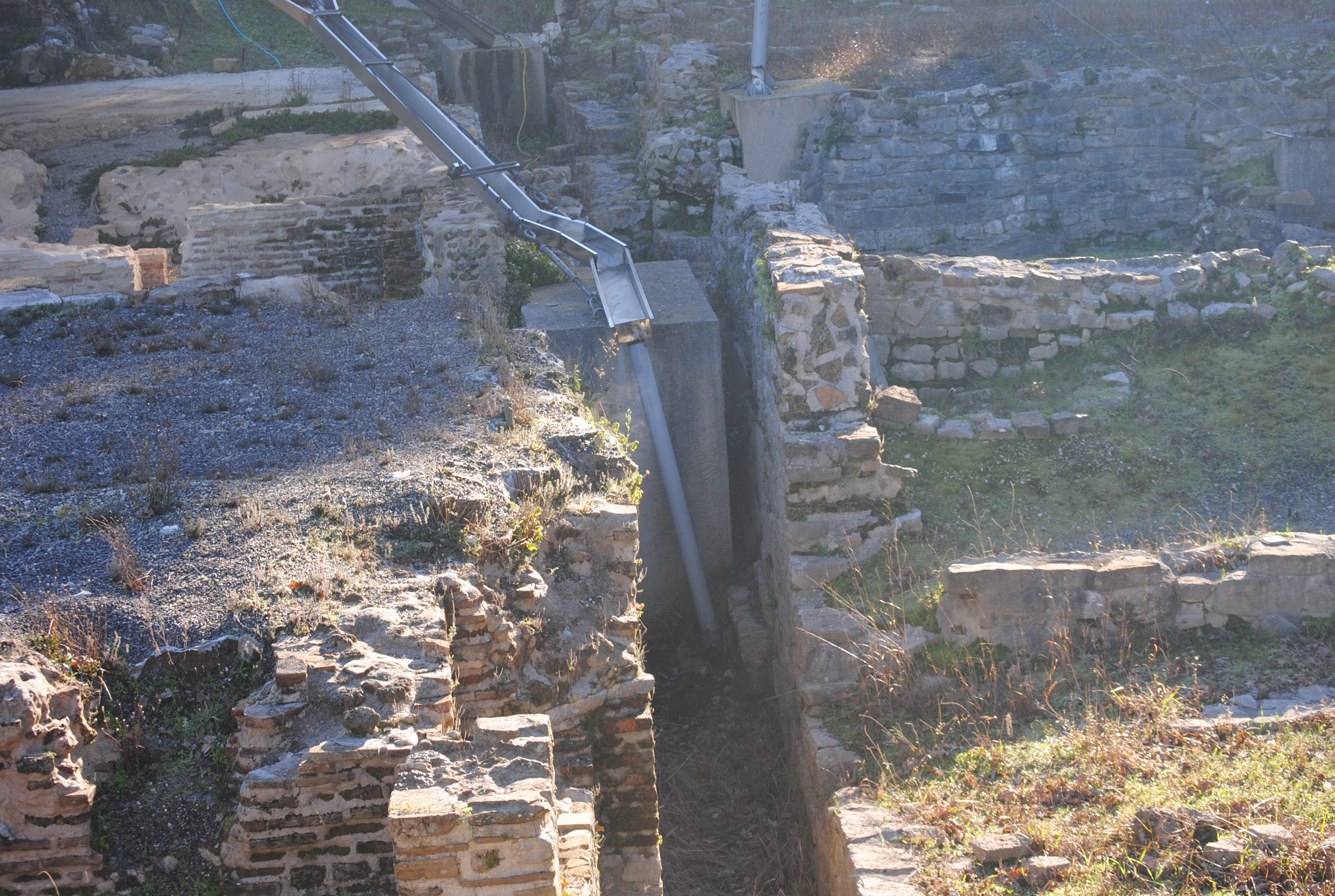


    The first site was that of ancient Roman baths. But Hilary was not yielding this information easily. We had to imagine and guess what the ruins were before she described how she was present when the director of the dig identified two walls as being too narrow for a path or alleyway and could only be a channel for water. The ruins were brought to life for us by this description and the various caldariums and saunas took shape before our eyes.
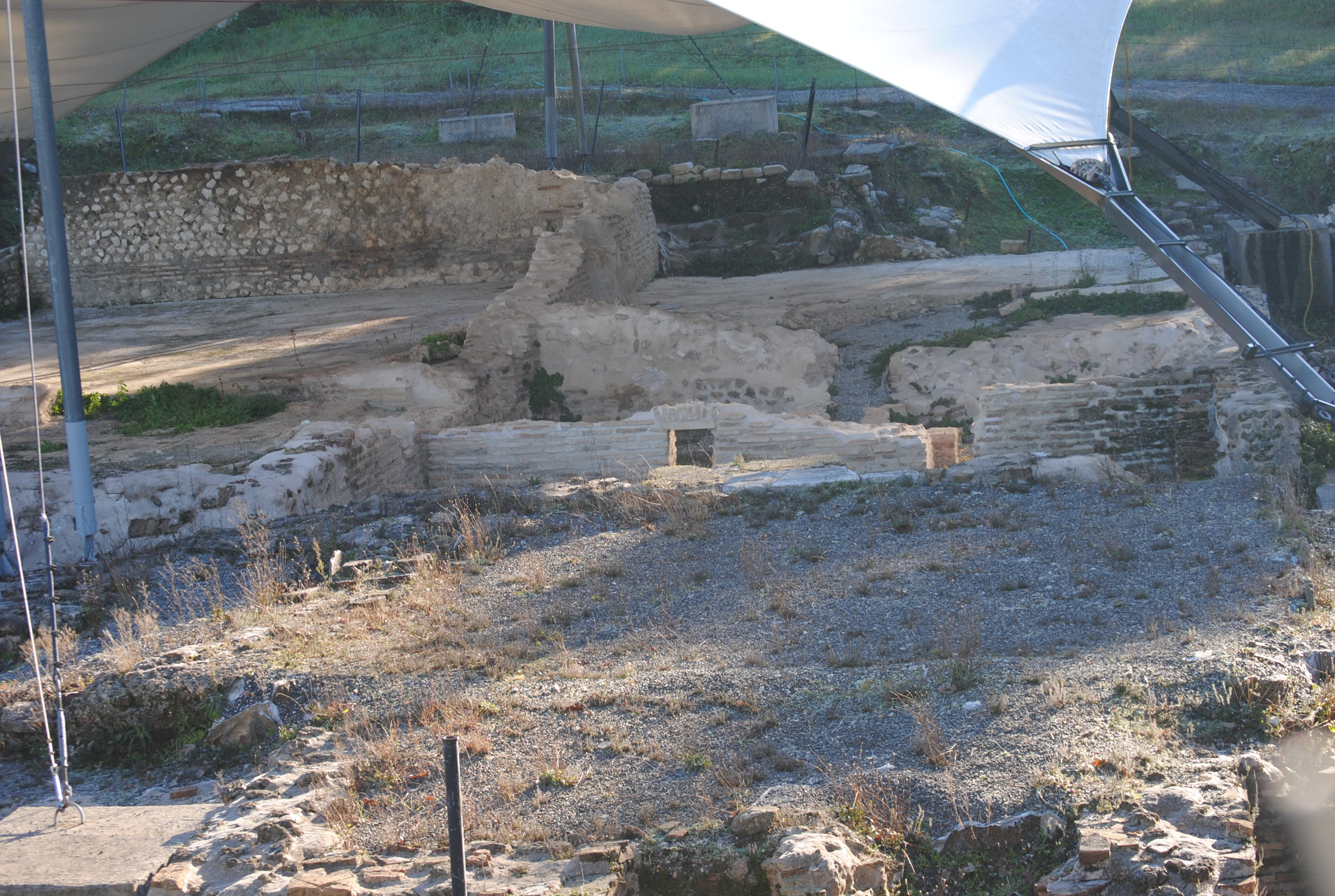
    Across the road is the island’s oldest Christian church, 3rd Century BC and Byzantine in architecture. It is located next to an ancient Agora or marketplace – greek students nοtice the similarity with the word αγορασω, to sell!!! Large stone slabs are found all over this site once they dug down to a certain level. It was the largest Roman Forum in the Mediterranean.
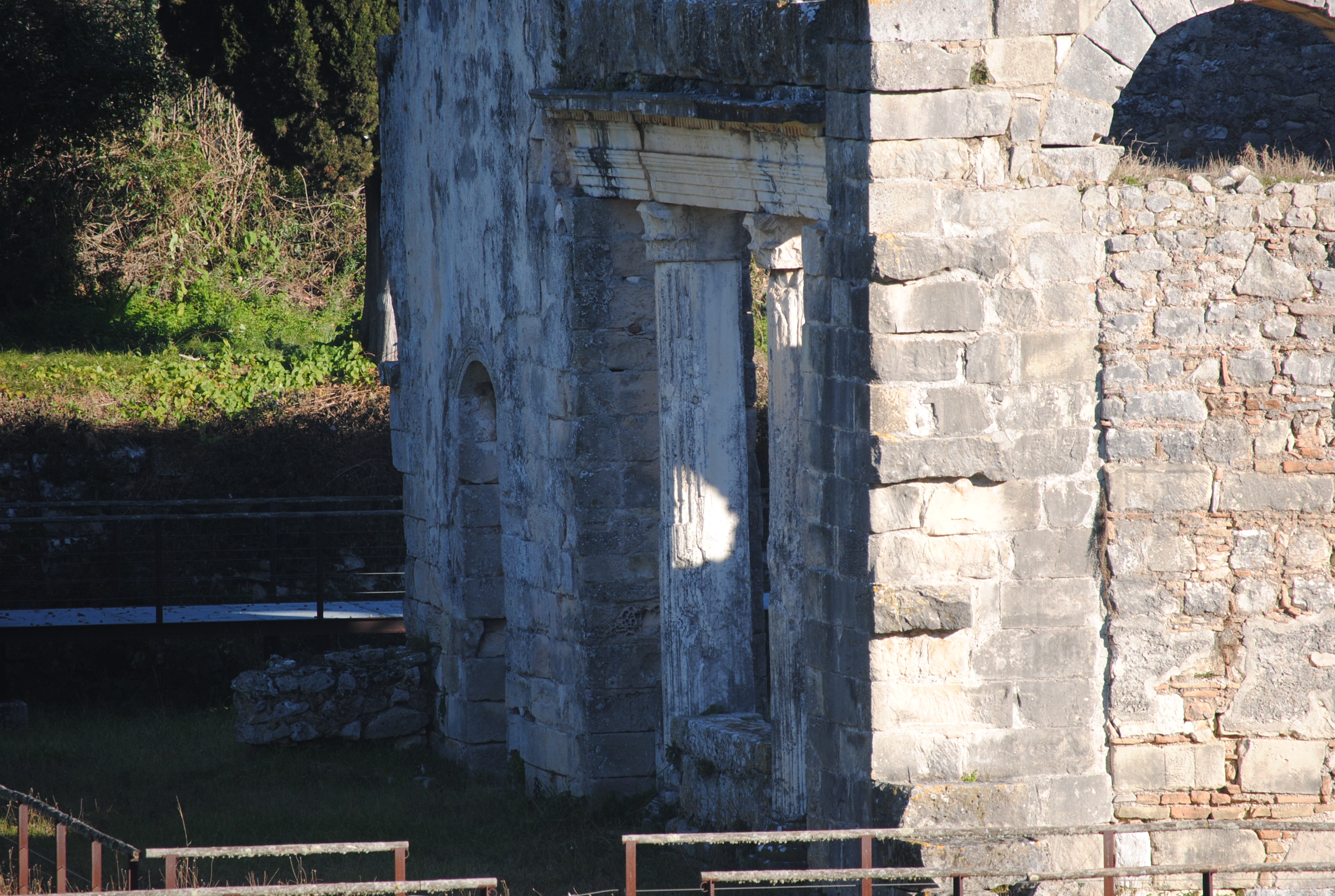
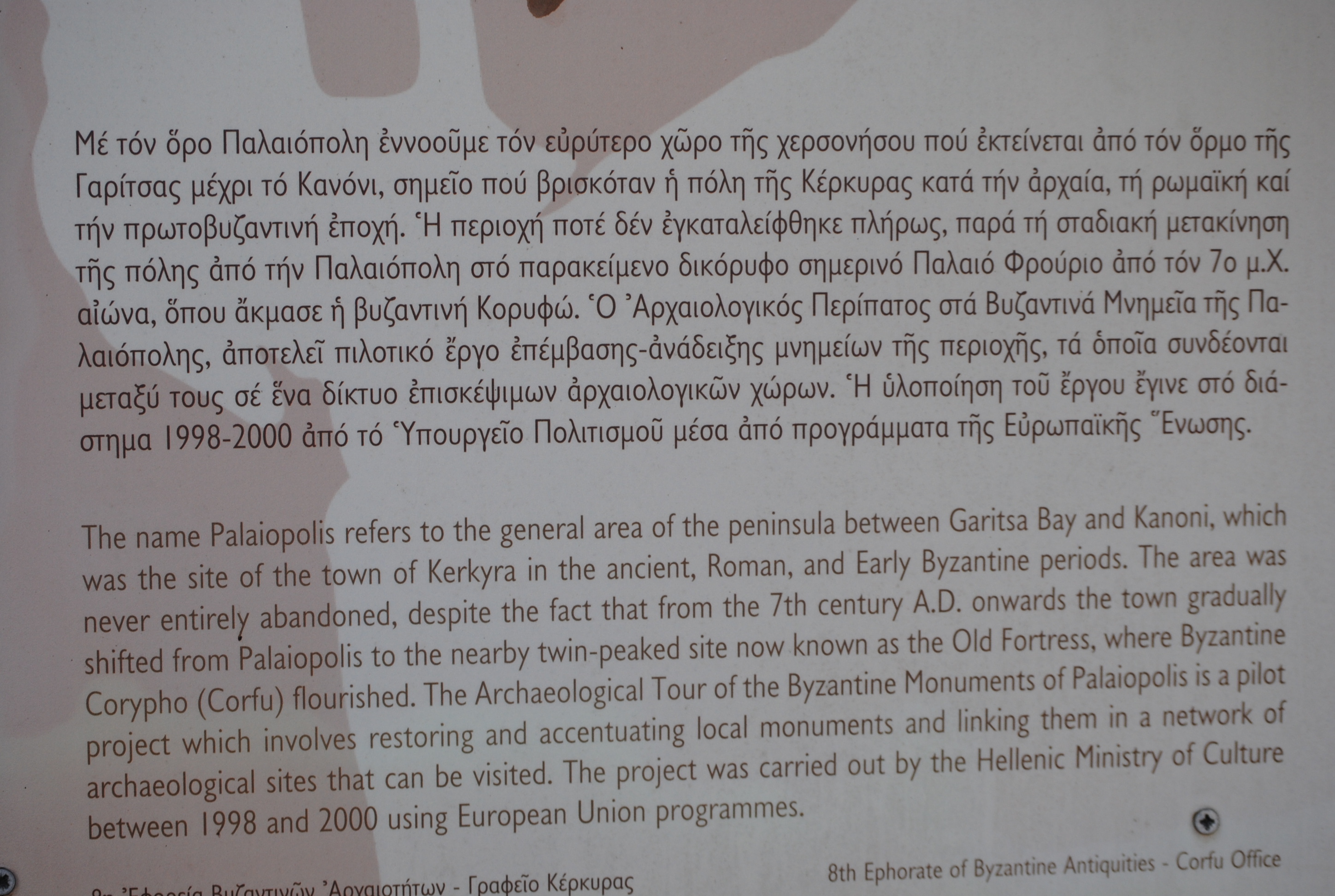
    Our next stop was the Monastery of Agioi Theodora. This is a beautiful church with many of the old engravings remaining such as ancient crosses.
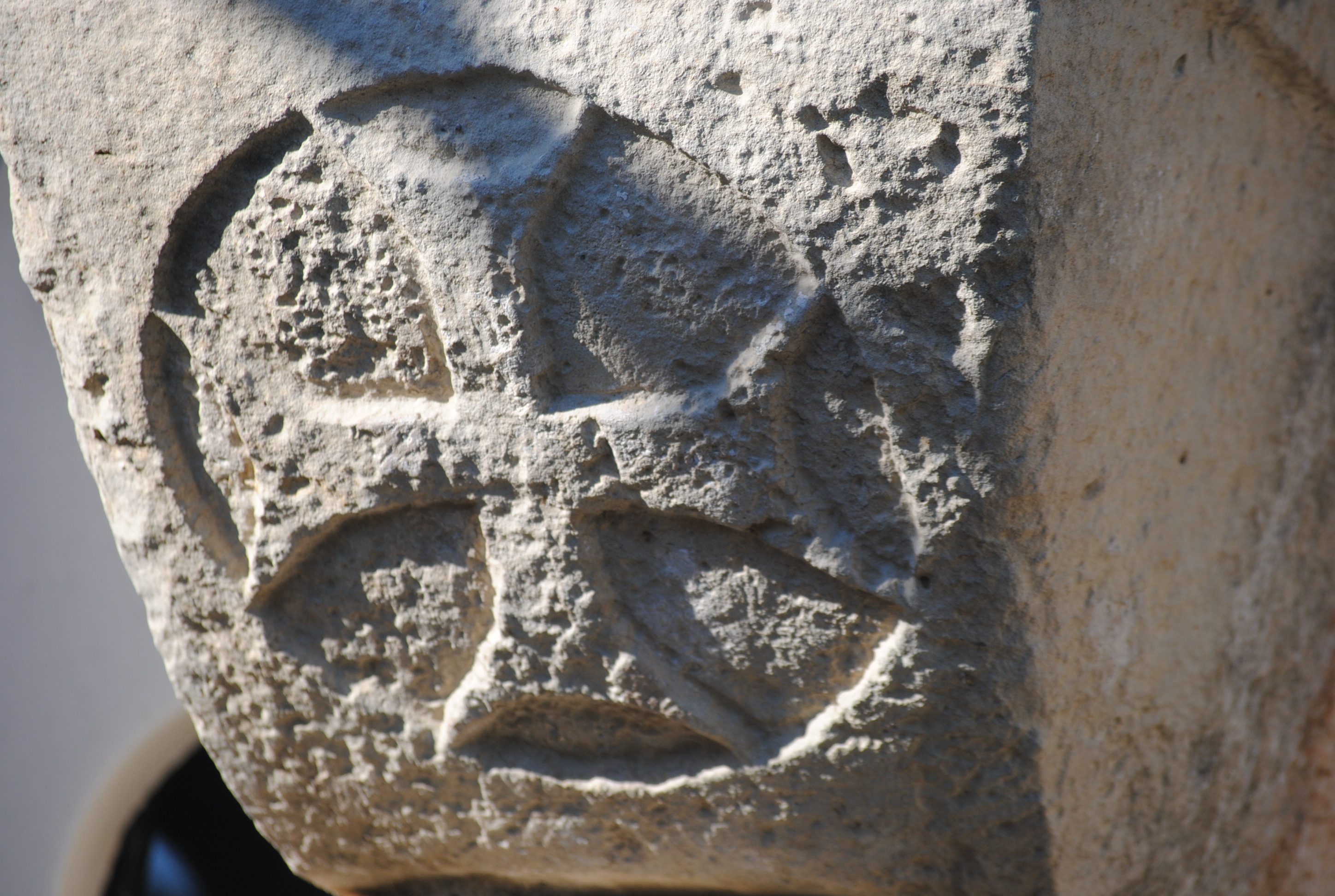
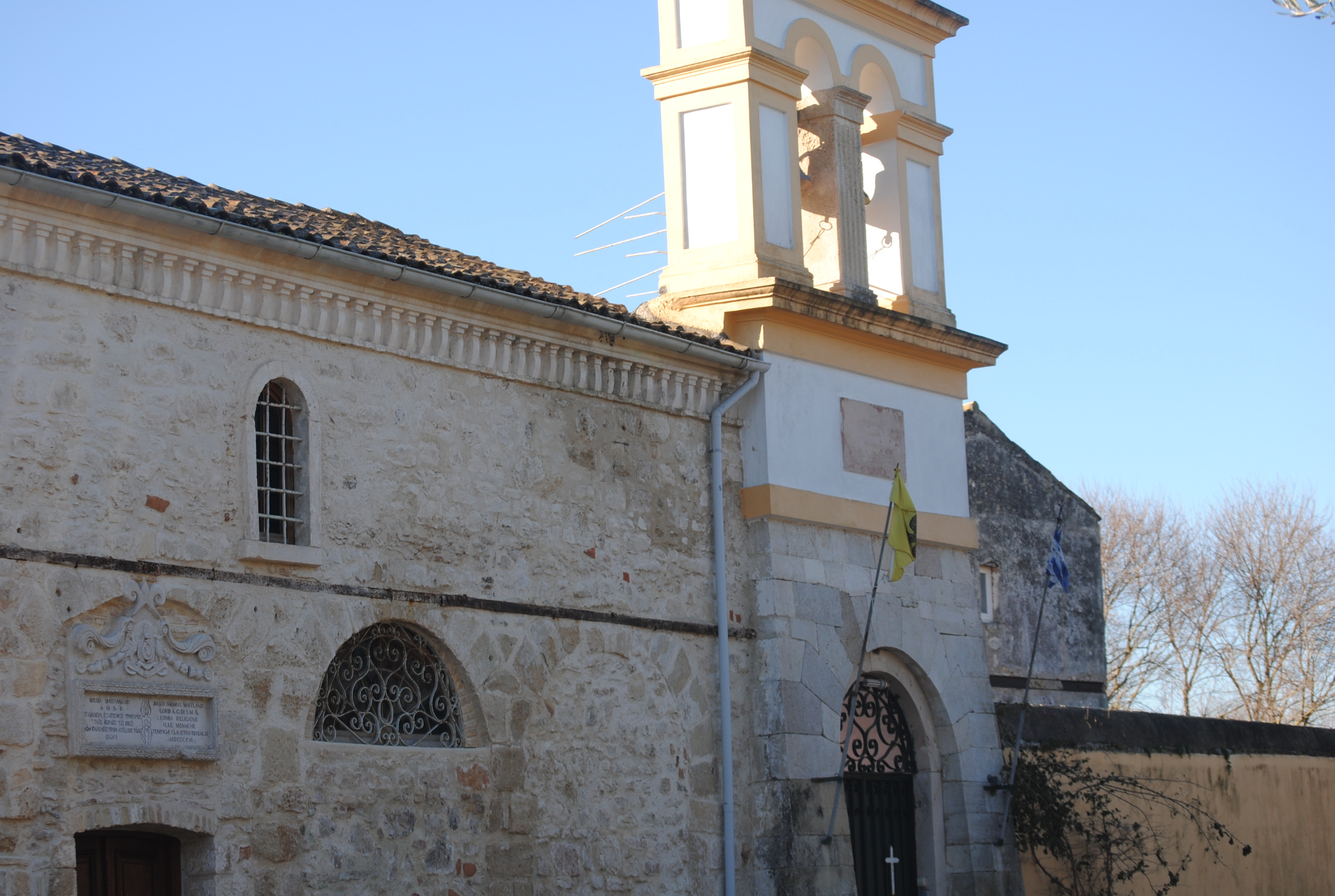
    It was built in the 3/4 century AD, using stones from the Temple of Artemis which is in its grounds.
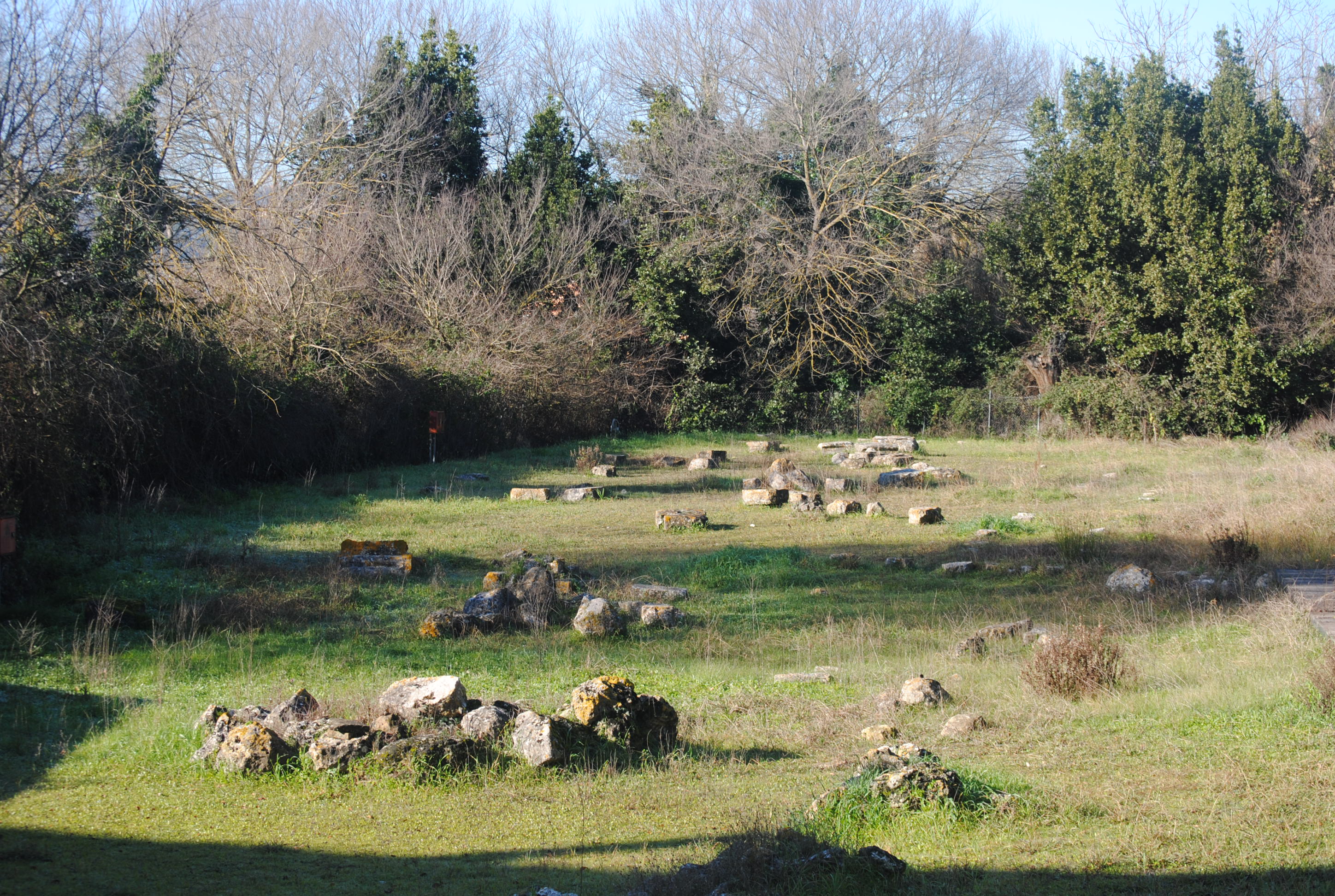
    This temple was built in 600/580 BC and, along with the rest of the city, was vandalised by the Huns and Goths coming down from the North in the third to fourth century.
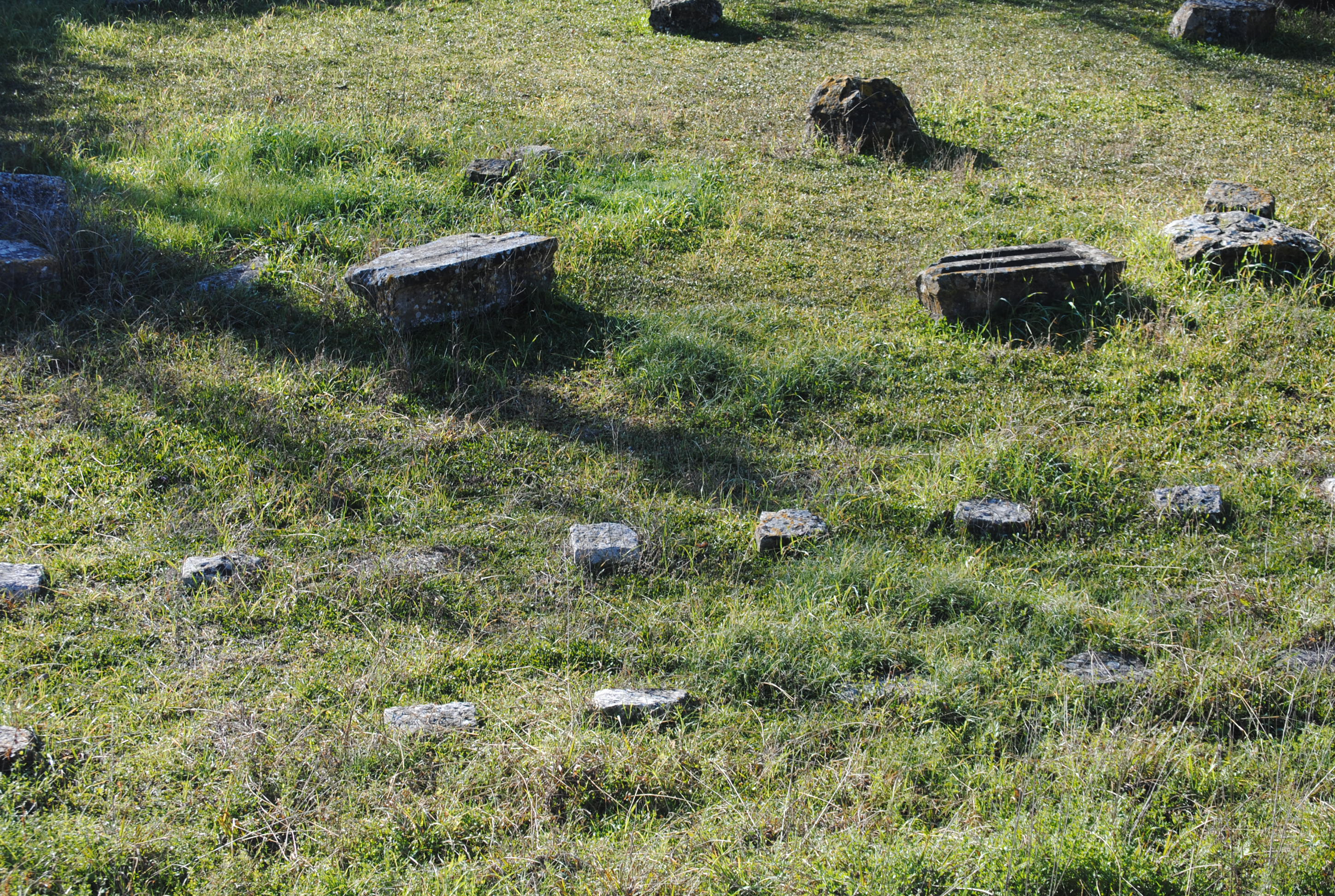
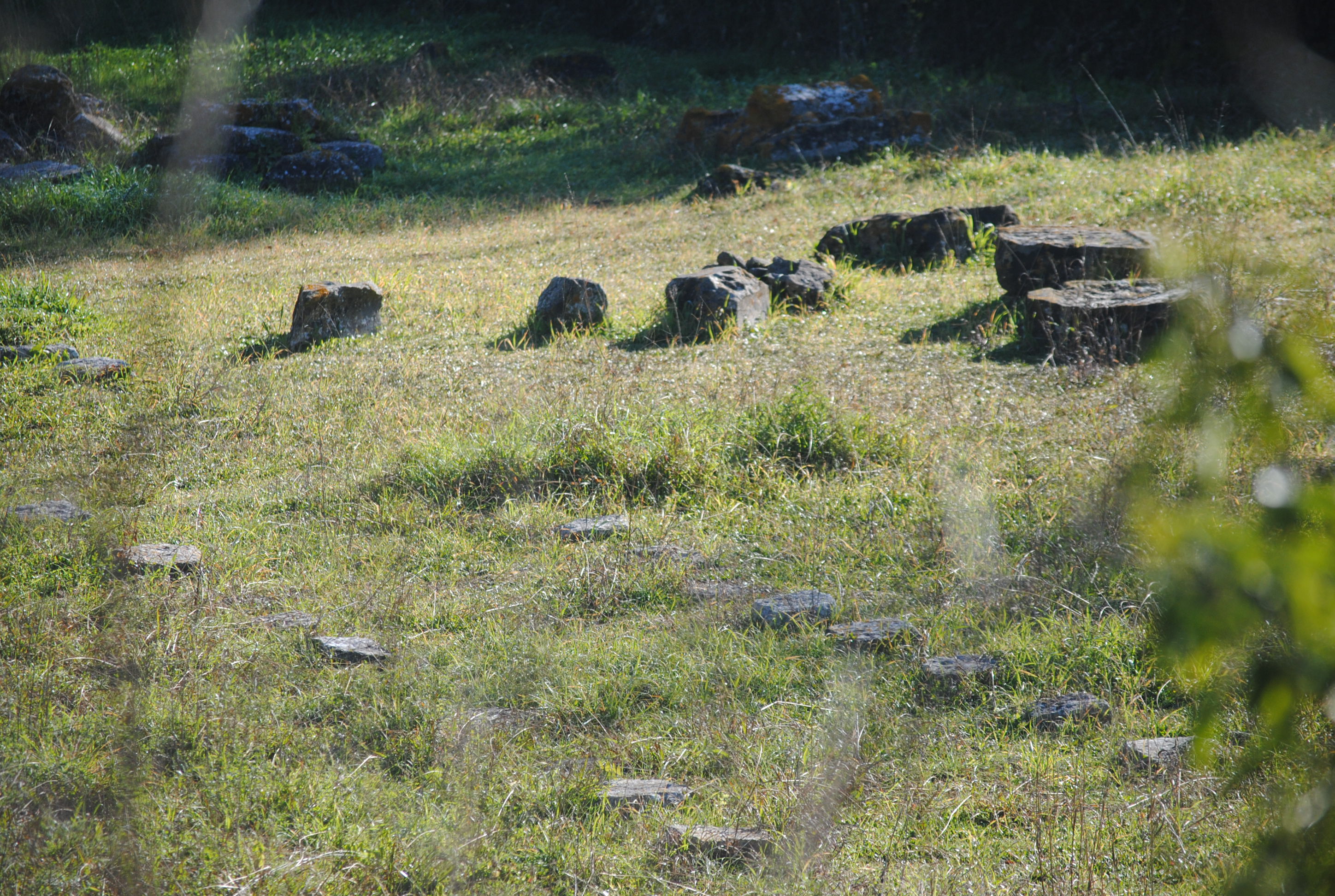
    It is this Temple that forms the most important part of the St Michael – Apollo Leyline. It is here that the Christian  Archangel Michael is replaced by the god Apollo who is the brother of Artemis to whom the Temple is dedicated. From the western end of this Temple which now lies in ruins was taken the pediment depicting the Gorgon. This was placed in the archaeological museum of Corfu. The significance of this piece of bas relief art is set out in the information pdf circulated prior to our walk. It highly representational of the power of women in ancient times.
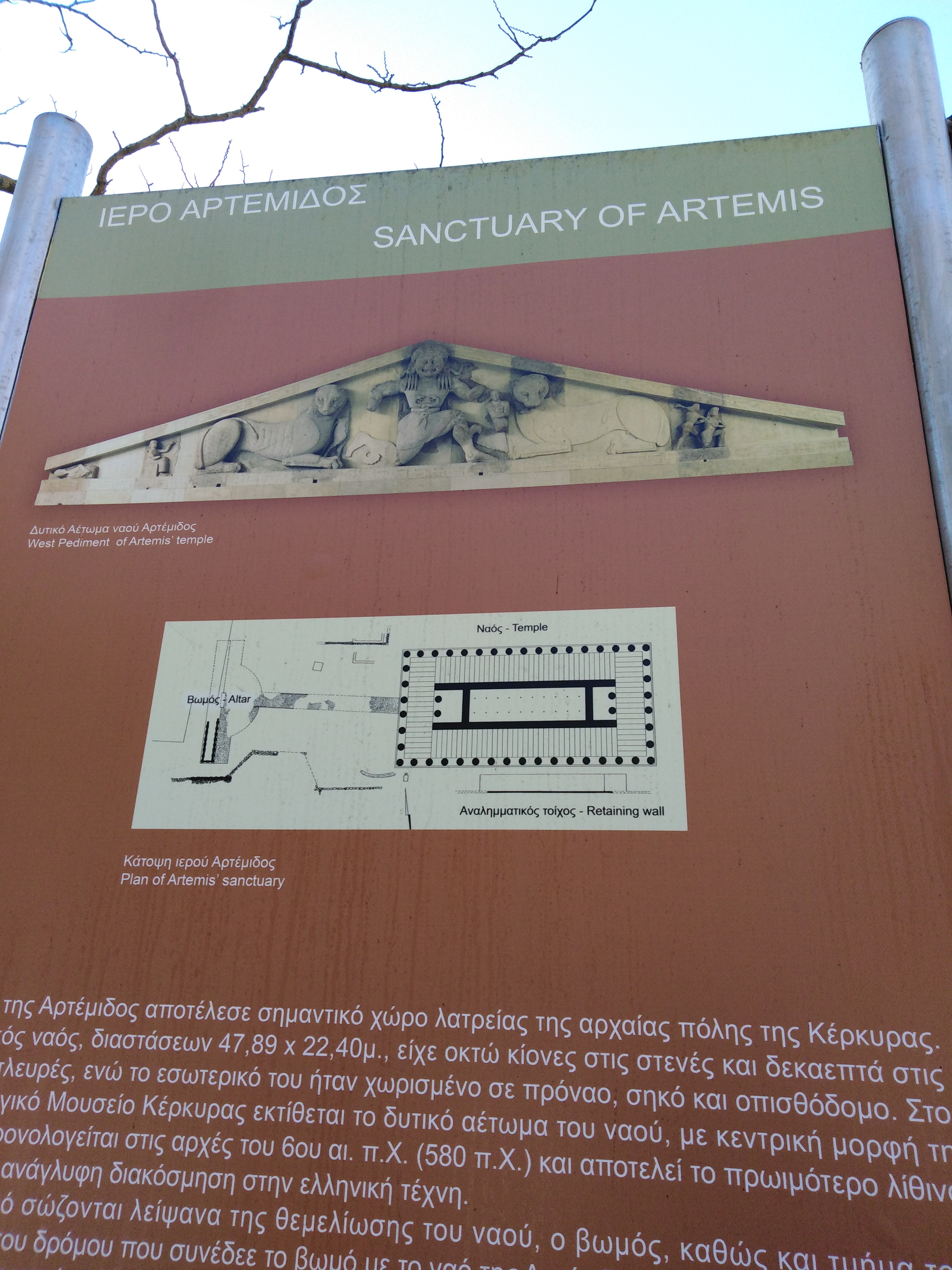
    On the ground, one can see the bases of the columns which formed the church and a sketch of how it would have looked, when painted in all its glory, is on the descriptive panel beside the site. The energy lines can be traced although it is not possible to stand in the ruins themselves.

    While this was probably the highlight of our tour, we spent most of our time in the graveyard around the corner. Here many of Corfu’s most eminent families are buried and magnificent and poignant tombs mark their demise. Hilary recounted numerous tales of dynasties and the rise and fall of many an ambitious man.

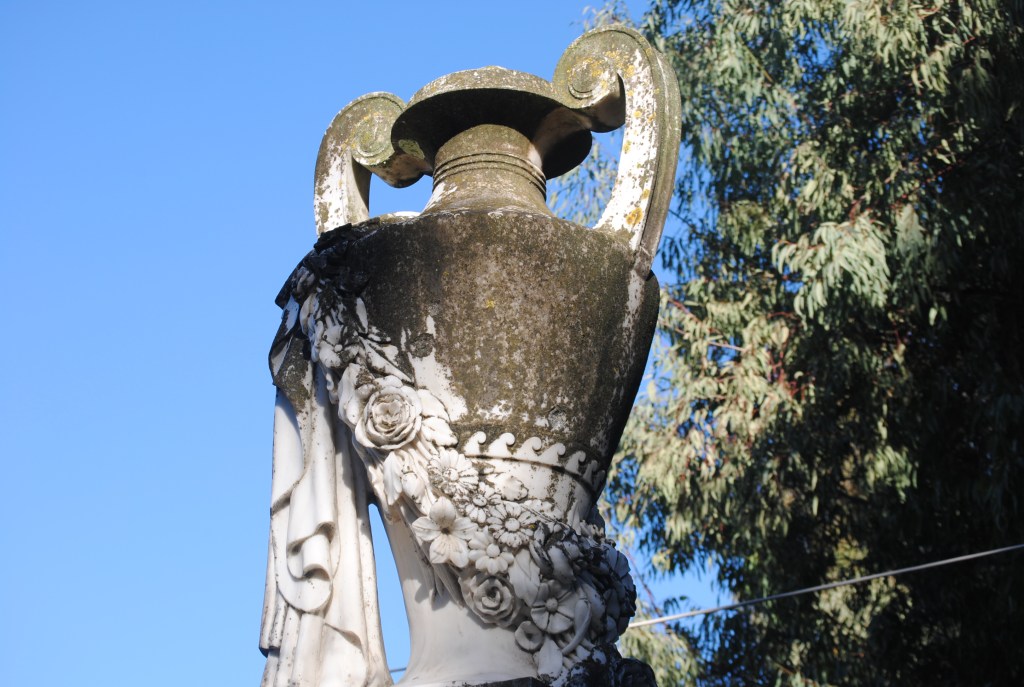
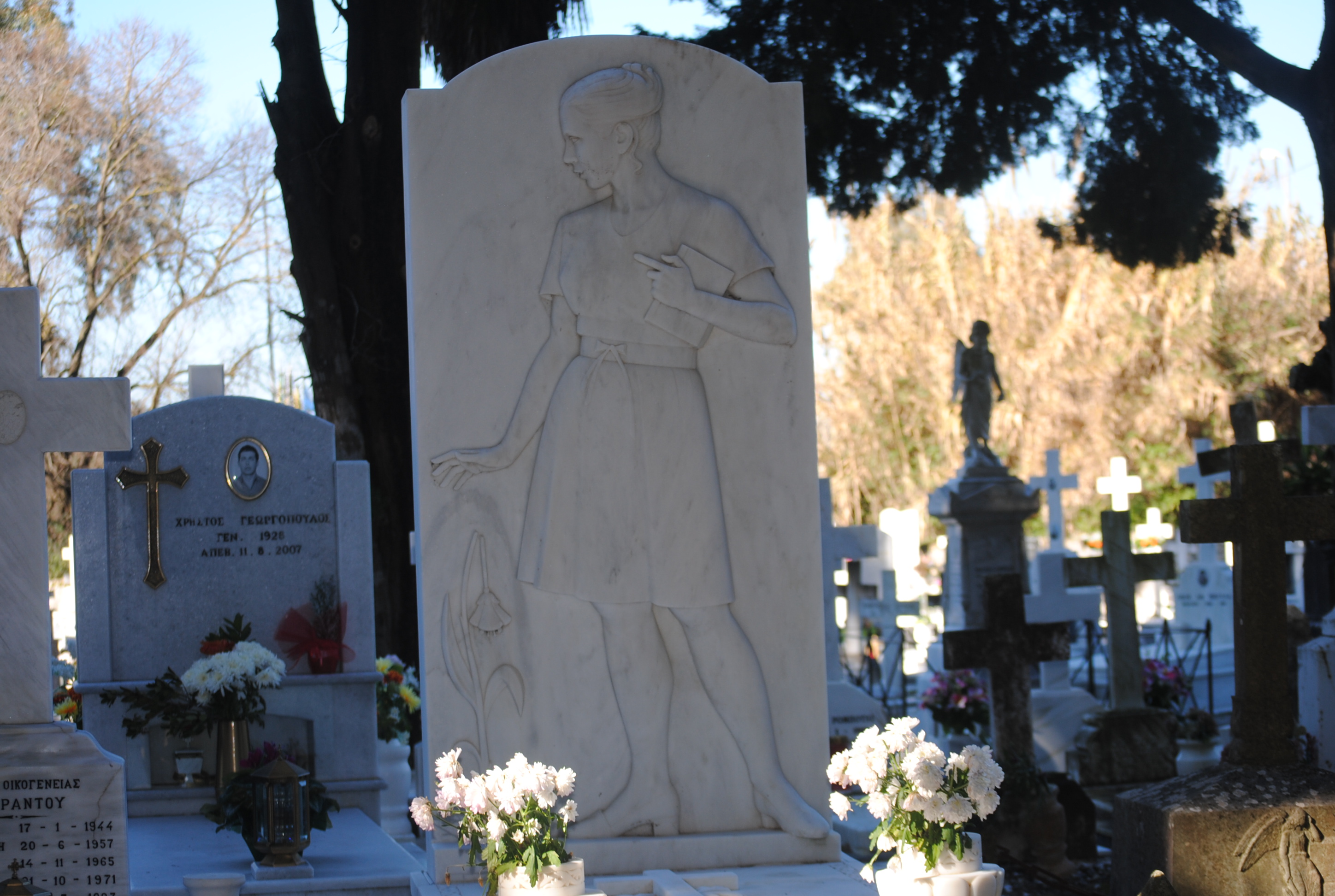
    One of the most touching however, was the tomb erected to the memory of girl of twenty one. She is depicted in bas relief, holding a book and with one of her feet protruding from the frieze, as if she could just step out. Beside her is a flower, broken in full bloom. One can only imagine the heartbreak of her parents who were buried many years later in the same grave.

    Hilary remarked on the parallel with the Gorgon also being depicted in bas relief albeit two and a half thousand years earlier.

    The peace of the place on such a beautiful morning affected us all. The airport is less than one hundred metres away but you would never have guessed it.

    We rounded off the morning in a café in the heart of old Garitsa.
  • An Hellenic December

    An Hellenic December

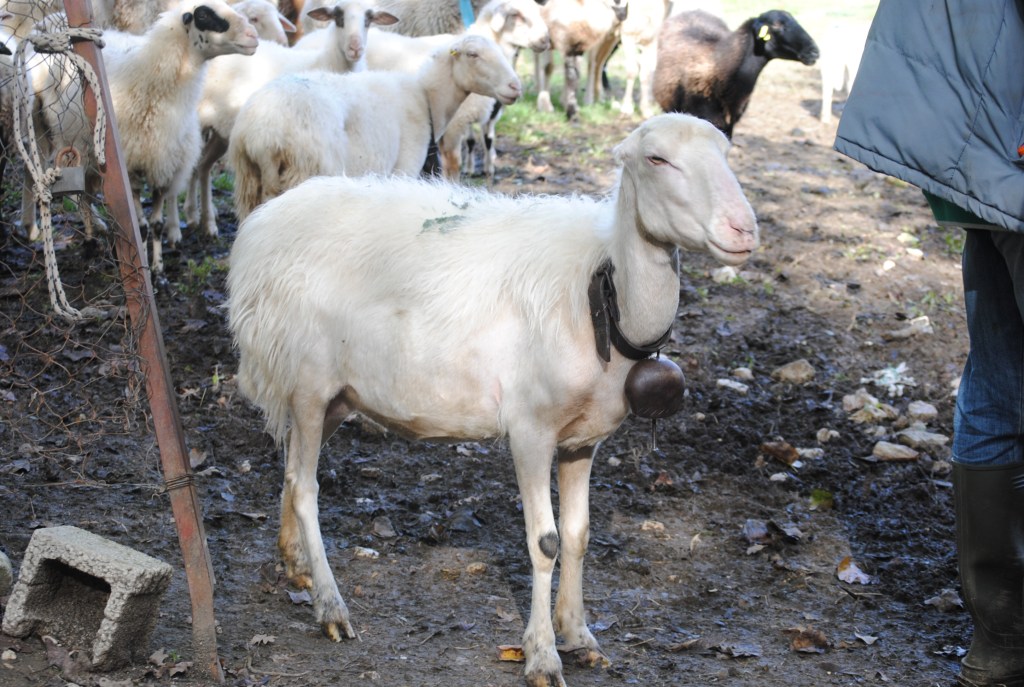
    It was a December of bells. Not sleigh bells but sheep bells. Rattling and clanking across the fields as up to fifty animals are moved to better pastures, each one precious enough to have its own bell in case it gets lost. And each bell different and handmade. Brass, faded or glinting in the sunshine, decorated or too tarnished to show a pattern, long with a pretty chain or short with an old leather tie. But each one with that lonely plaintive sound, mingling together to form a cacophony.

     The afternoon is quite often sunny here and I take the opportunity to lie out in the hammock before the darkness falls. I read a bit and then invariably doze off, my dreams interspersed with the sheep bells as they are herded across the valley below, the cacophony becoming running water in my sleep laden brain. I wake and look around at the olive trees and the stillness.

    I am reading James Angelos book on the Greek economic catastrophe. And I think what is this country I have come to. Full of contradictions and turmoil. Mirroring Ireland in so many ways but then seeming to walk itself into deepening chaos. The agricultural base, the years of domination by other powers, the stunningly beautiful country side, surrounded by water, all paralleling Ireland’s history. But it cannot seem to pull itself out of the economic mire. Is it the weight of the early Greek civilisation that they feel they have to live up to or is it that they feel they have nothing to prove given what their forbears did for the world.

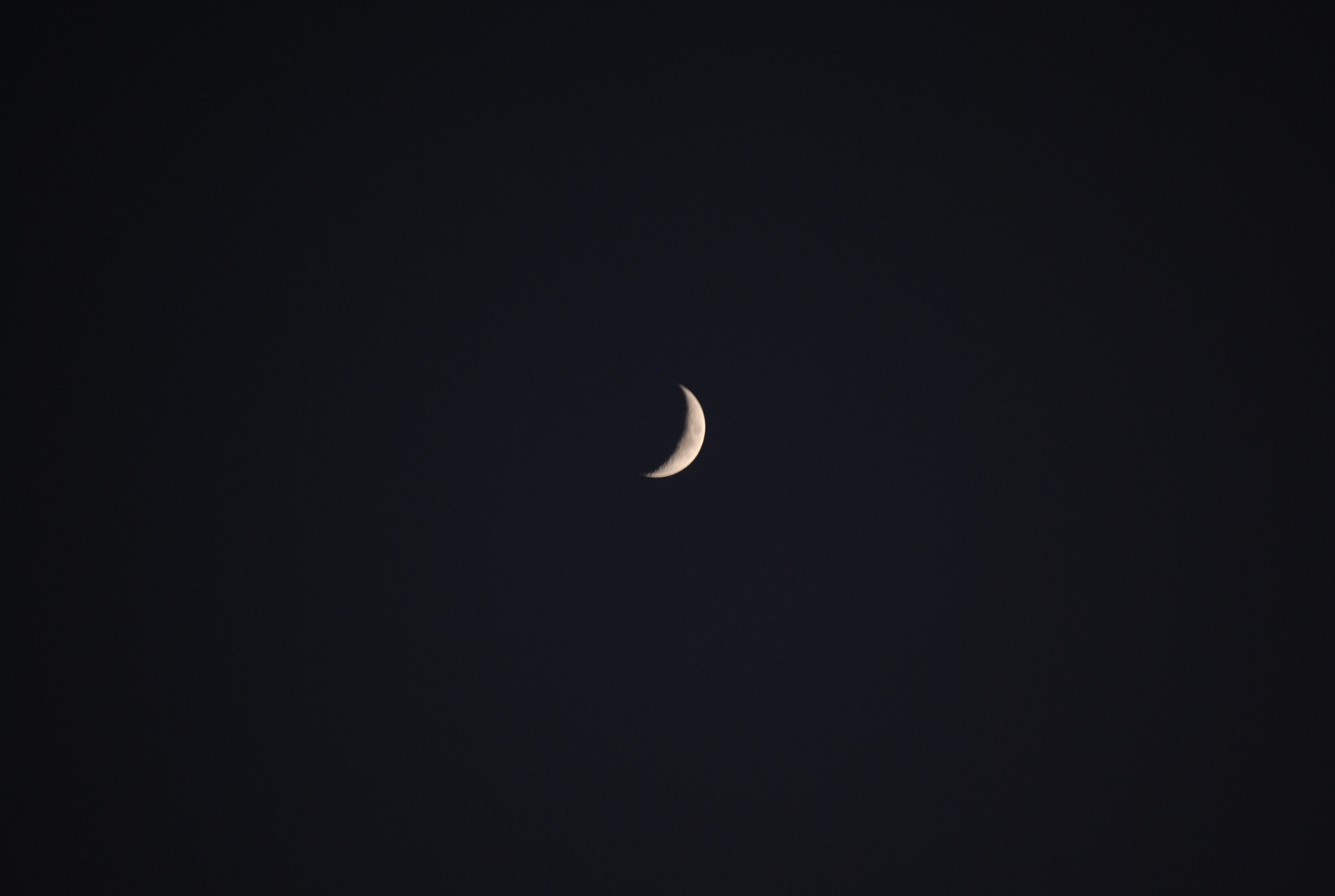
    The night is so absolute here. No glow from a town to dilute the starry sky. But the moon was in its crescent phase for much of the month and is only now giving us some light at night. It was a month of storms too. Storms that had no moon to illuminate the deep inky blackness. When lightning streaked across the sky it was the more intense for its murky background. So you make the most of the daylight  before going in to light a fire. Or there is always a welcome at the cafeneion where the Greeks keep company on the winter nights.

    As we approach the shortest day of the year and move towards a new year, it is easy to see how Greeks can become distracted from the mundanities of life. With their wonderful, complex and intricate language, their commitment to φιλοχενια or filoxenia, literally love of the foreigner or hospitality, and the extremes of nature playing out all around them, what’s a few points on the stock exchange to make international bonds beyond the country’s reach.

    The bell may toll on Wall Street to end a day’s trading but it will never sound as well as the bells that wake me from my afternoon nap!

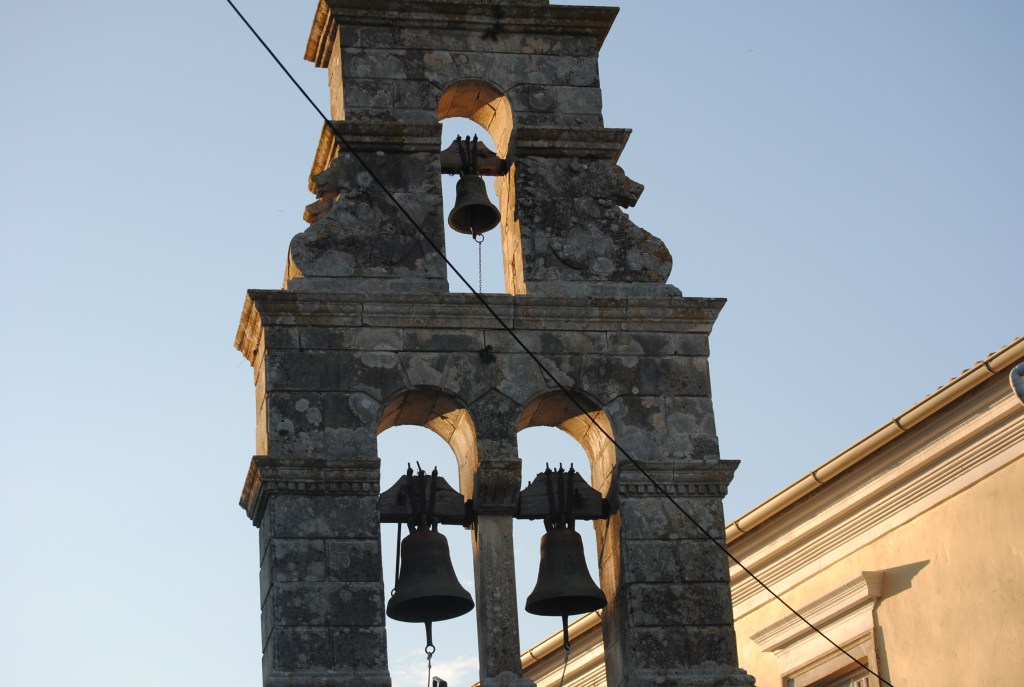
    Bells at Gardylades

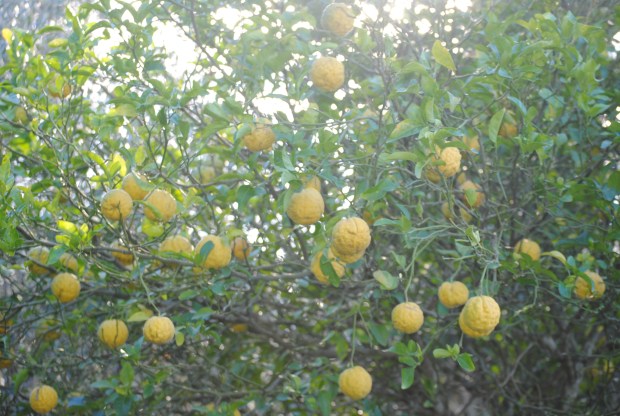
    Lemons so full of pips they are lumpy on the outside

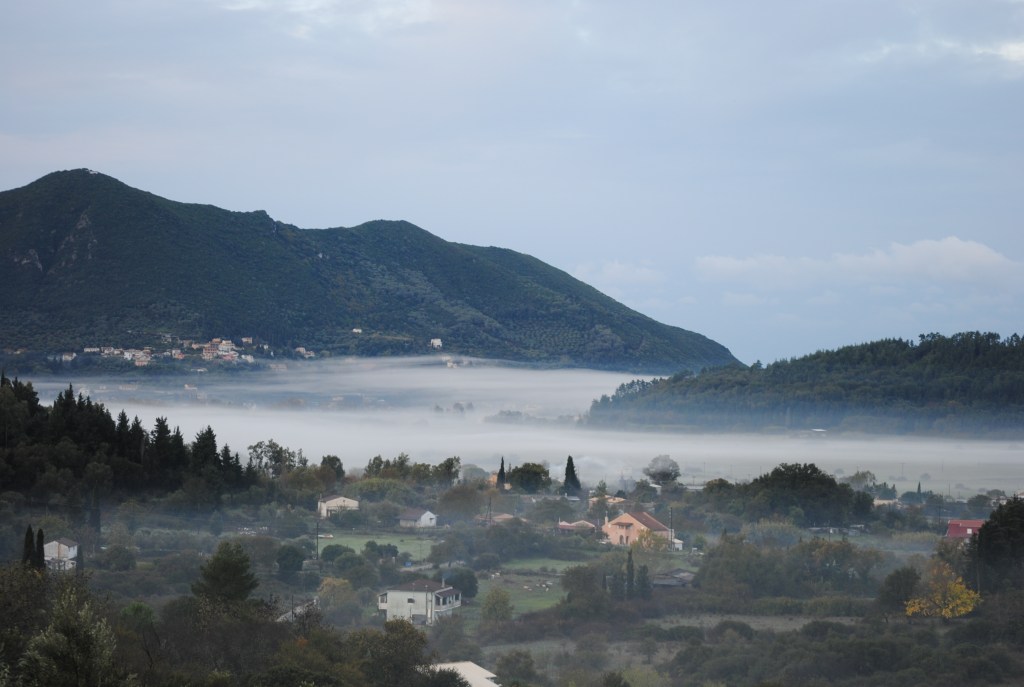
    The lovely Ropa Valley in the mist

  • Springtime in Autumn

    Springtime in Autumn

    It’s confusing. The grass has started growing, the sheep are lambing, the sun is shining.

    It makes sense for lambs to be born in November when the grass is growing and will continue into the New Year. Easier for the Ewe to suckle her young when she can feed on fresh shoots.

    They tried to put me off – the winter is cold – everything is shut. But  it can’t be as cold as Ireland, I said ( or Hibernia, meaning Winter, as the Romans called it as they turned away and decided it was to much trouble to invade).

    I have been fooled before, I said.

    I have seen enough beauty and nature to persuade me to take a chance on a Corfiot winter.

    Now  the dogs and I venture out at 7 am . We go up to the top of the mountain where we can see the Ropa Valley filled with a mist and wait for the sun to hit the village on the far side. There is a heavy dew on the grass and on the spiders webs. Ripe olives are dropping to the ground to fill the nets.


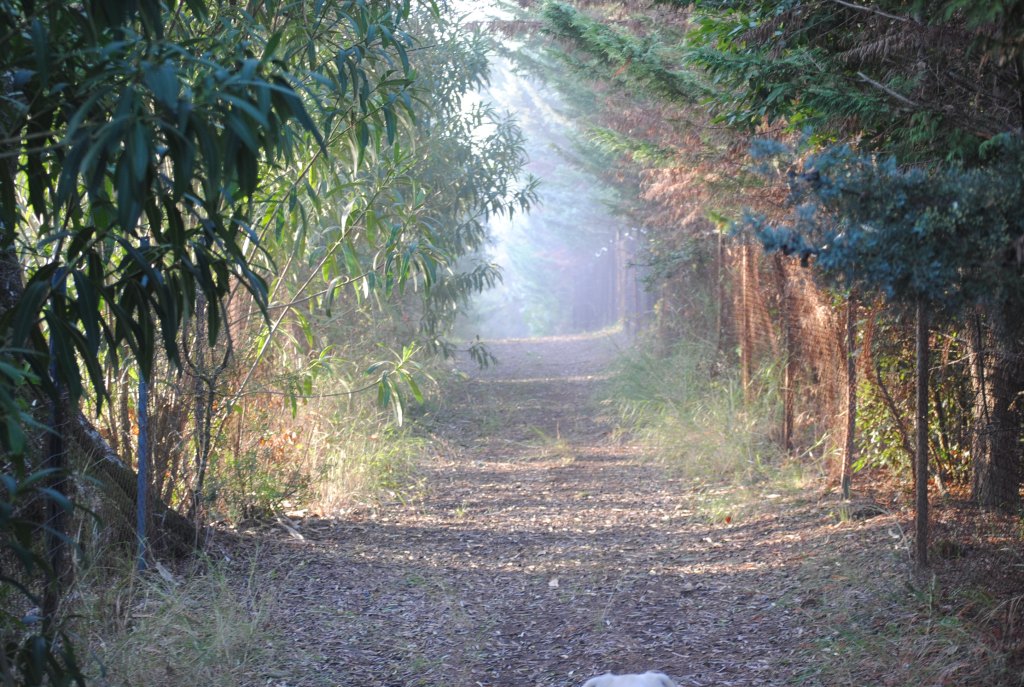
    As we go back down the mountain, the sun has already begun to warm the air. The path ahead is filled with slanting sunlight taking a shortcut into the neighbours orange grove.

    In the Ropa Valley, the goats bells sound.  Shots ring out from a hunter’s gun that reverberate around the mountains. Then silence again except maybe a cock crowing or  geese making a racket about something. The dogs chase a cat then settle down to a day of idleness, when they thank their lucky stars that they were rescued.

    I wonder if it could always be just like this.