It’s that time of year again – fruit ripens as the summer moves slowly into Autumn. Anything that survived the onslaught of the sun seems to burst into fruit.
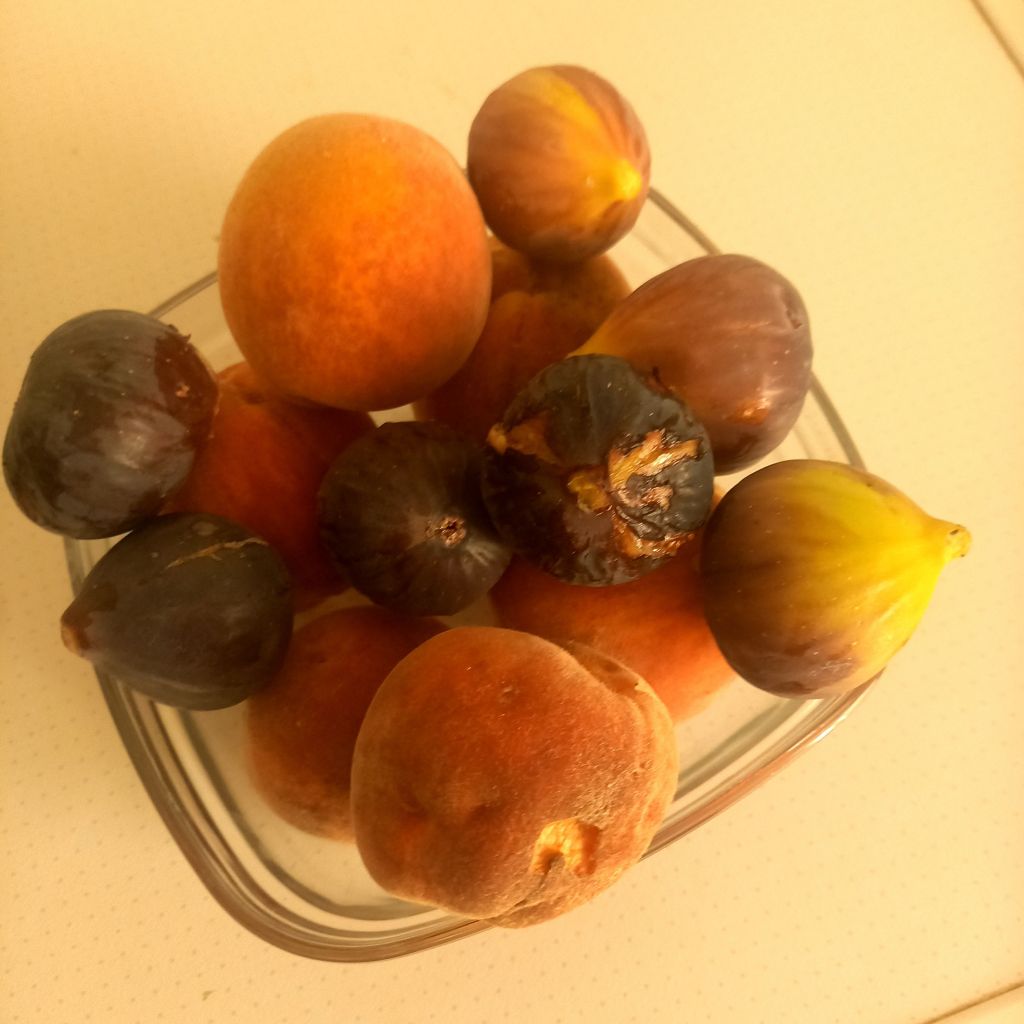
Picked on my walk this morning.
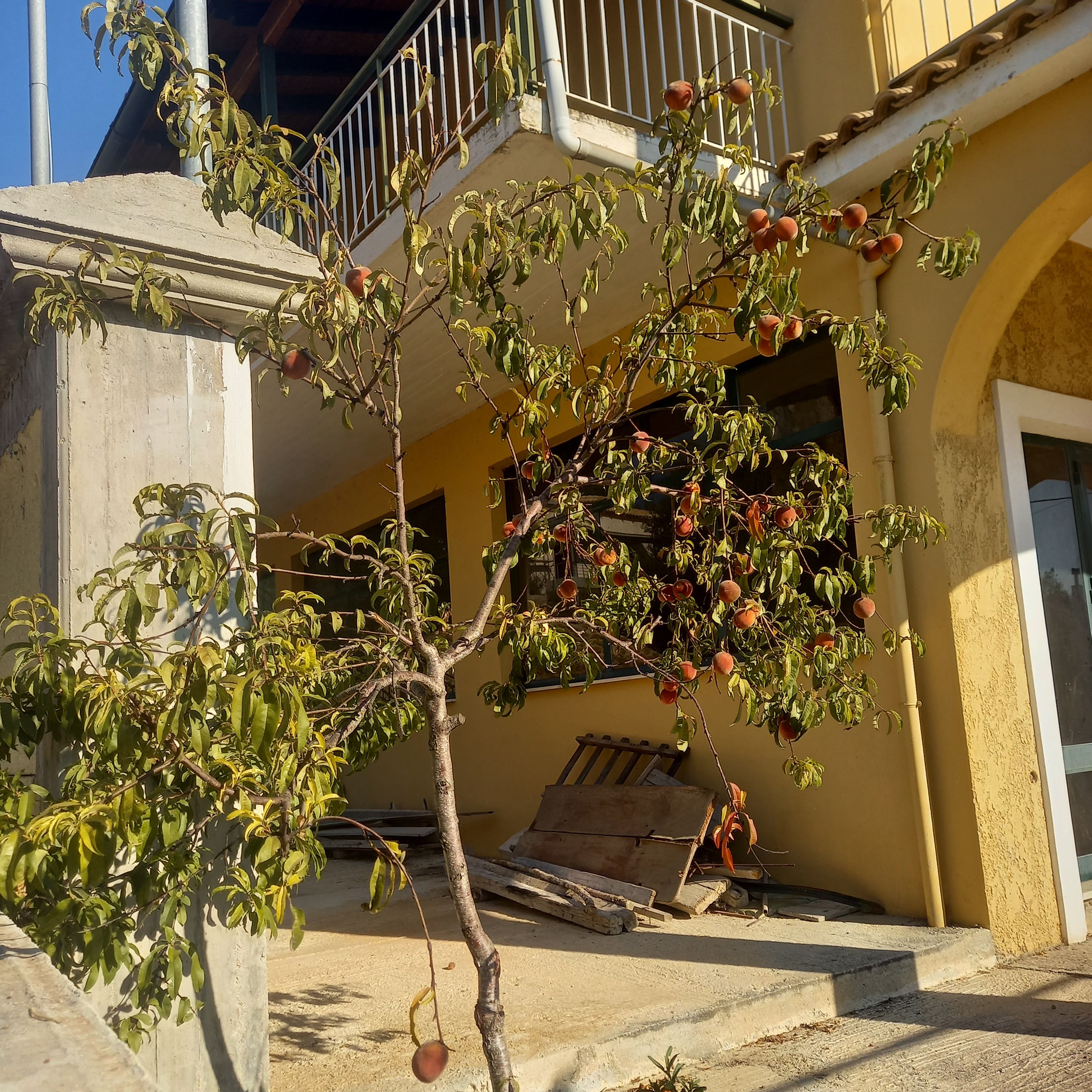
I’ve watched this peach tree get it’s blossoms in April – before any leaves, it gets flowers- then it drinks in the sunshine all summer, until the peaches ripen around now. They’re small and many have fallen on the ground and they taste delicious.
Peach tree
The figs are ripe on some trees, not on others. The ones that are ripe dribble sticky juice on to your hand.
Now I’m waiting to see whether any blackberries fatten enough to be worth picking…
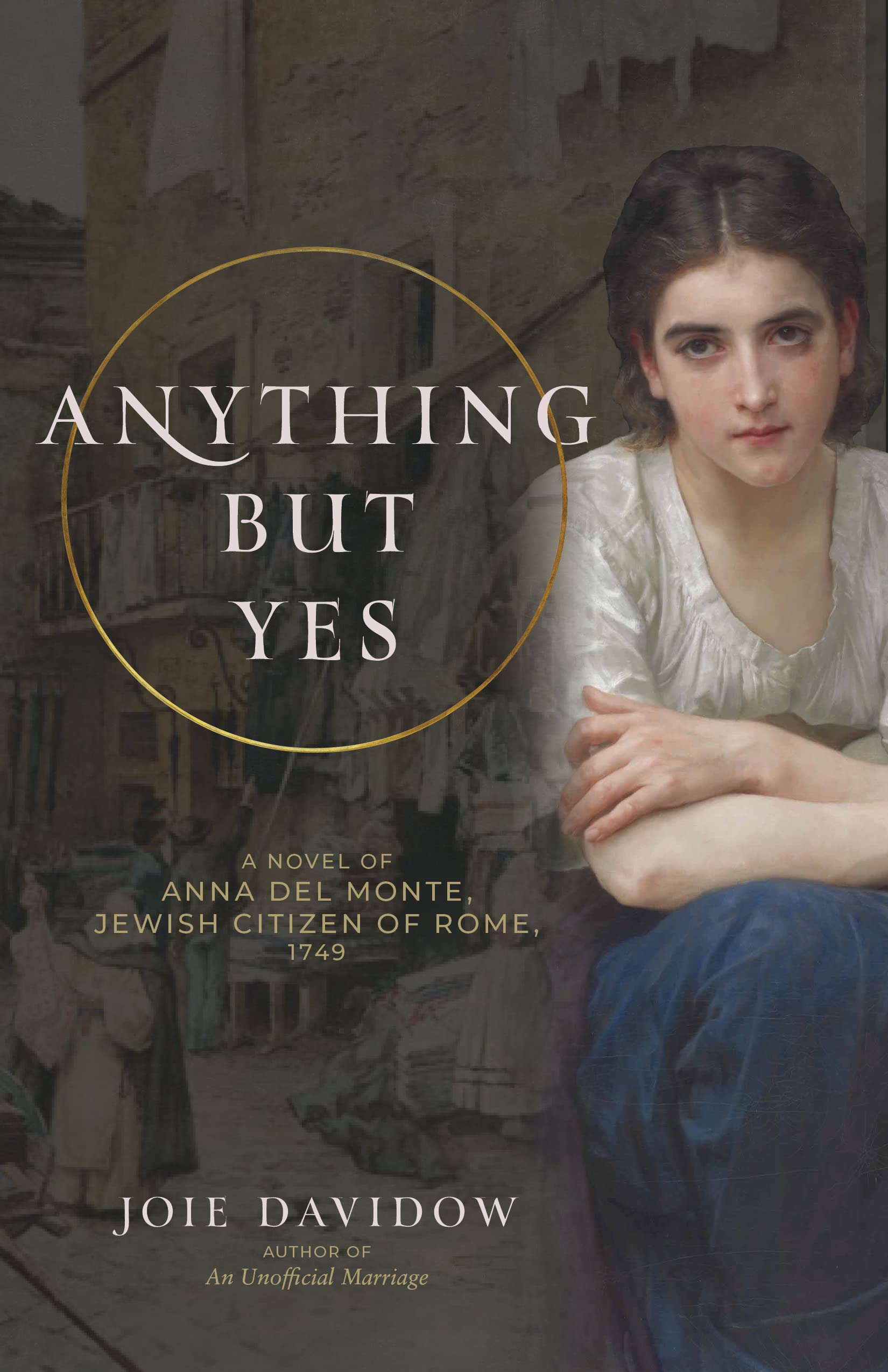
In two hundred and thirty eight pages of exquisite prose, Davidow tells a compellingstory of a young Jewish woman, Anna, cruelly torn from her close-knit, loving family at the age of eighteen, and thrown into the clutches of a catholic convent. It is 1749,and the Pope has secular power in Rome. The Jews are confined to ghettos and deprived of the normal rights of citizens to trade and move about freely.Most of all, the Church wants to convert Jews to Catholicism.They send in every type of priest, theologian and acolyte to persuade their current victim to convert.They are met with a young woman who has been educated in Latin, Hebrew and Italian and who has an unwavering faith.Her logic, in the teeth of sleep deprivation, inhuman conditions and lack of nourishment, frustrates the emissaries of the Pope.What shines through is the power of faith in the teeth of aggressive persuasion.
These priests, who themselves had converted from Judaism, felt the loss of theirown real faith when they saw how Anna stuck so steadfastly to her own.
Legalities and historical setting are conveyed seamlessly within clear descriptive prose.The desire to know what happened to Anna and the fact that it’s based on her contemporaneous diaries make this book hard to put down.
We are on the edge of the Namib/ Naukluft National Park. Just a huge expanse of sand, where an amazing amount of wildlife manages to exist.
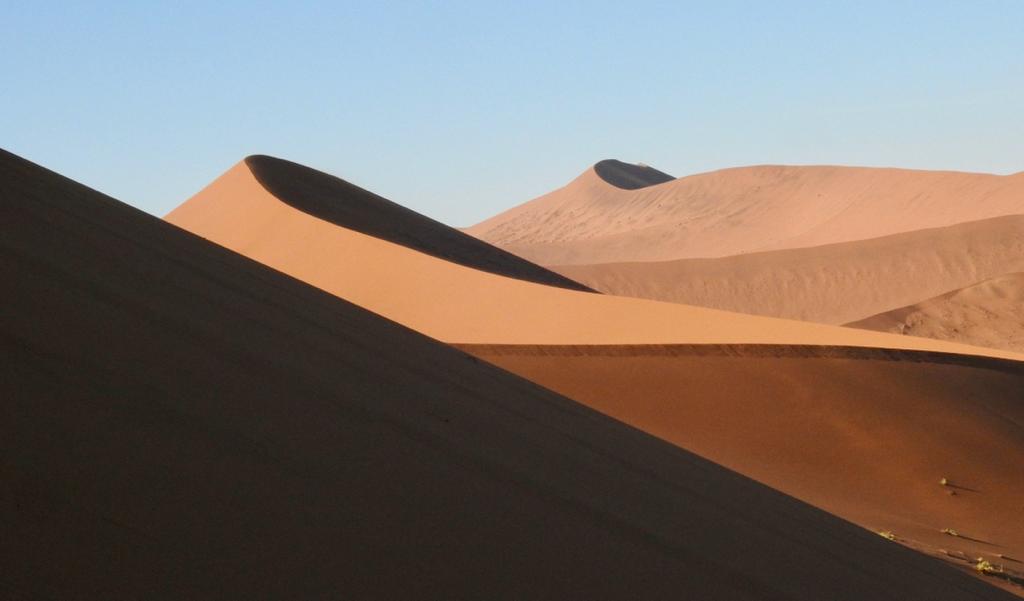
The Sossusvlei is an area of extraordinary beauty – red dunes blown in strange shapes by the constant wind.
Our guides had explained the difficulty of climbing the famous dune 45 and the access to it, a 4km walk in sandy harsh conditions. Normally a 4km.walk would not phase me but there were 4WD vehicles available to cover this stretch, such is the difficulty of the trek.
I felt I would enjoy being in Desert Lodge,a unique place for the day, rather than slogging up a sand dune. Although it was bordered by the desert, it had a swimming pool and a large bar with tables you could sit at to take advantage of the wifi. I spent a happy day observing the animals coming and going to the waterholes. Our accommodation was top class. It was newly-built chalets with verandahs facing the desert. The front part of the chalets had two beds, then a wall behind with openings on both sides, with access to the bathroom, toilet and clothes hanging space.
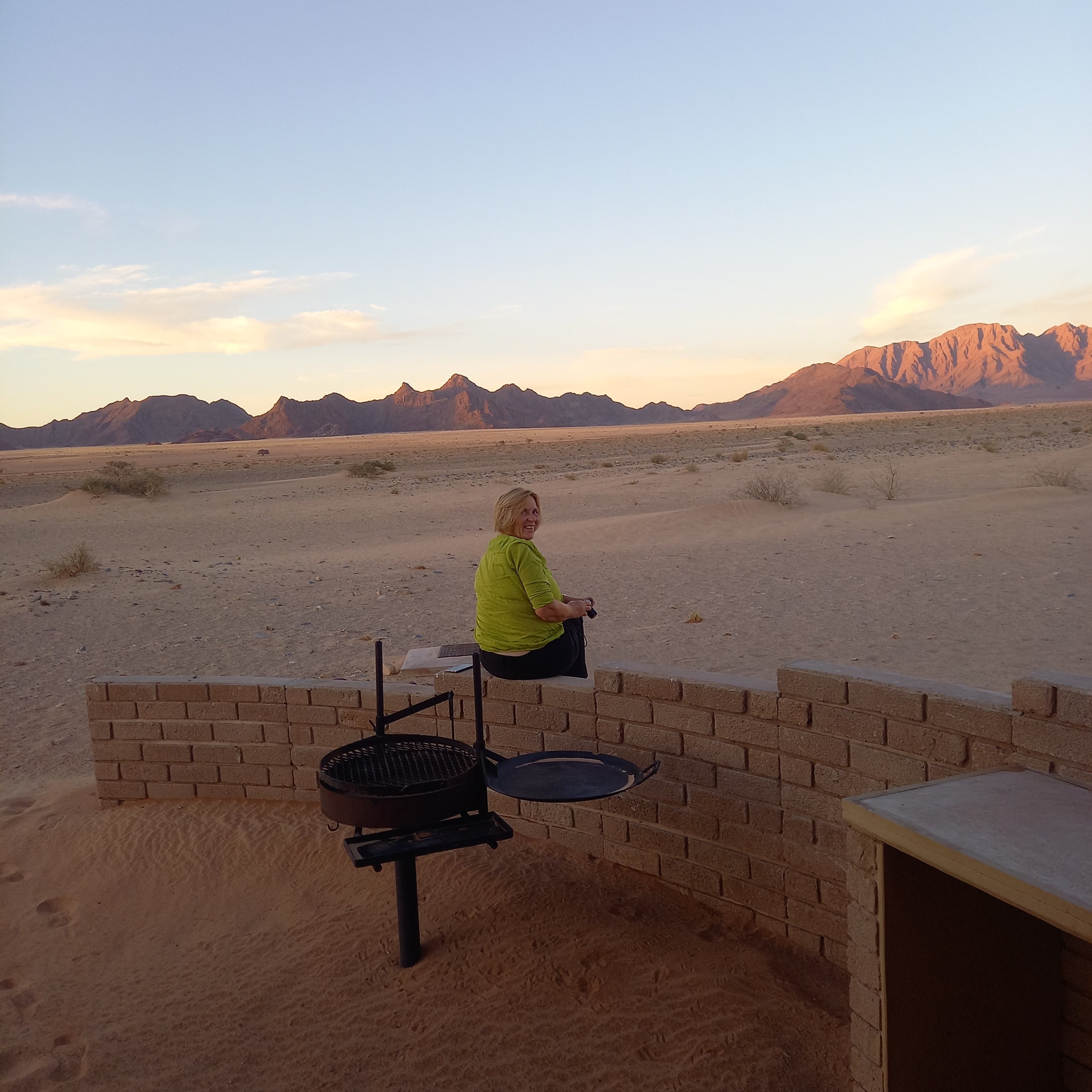
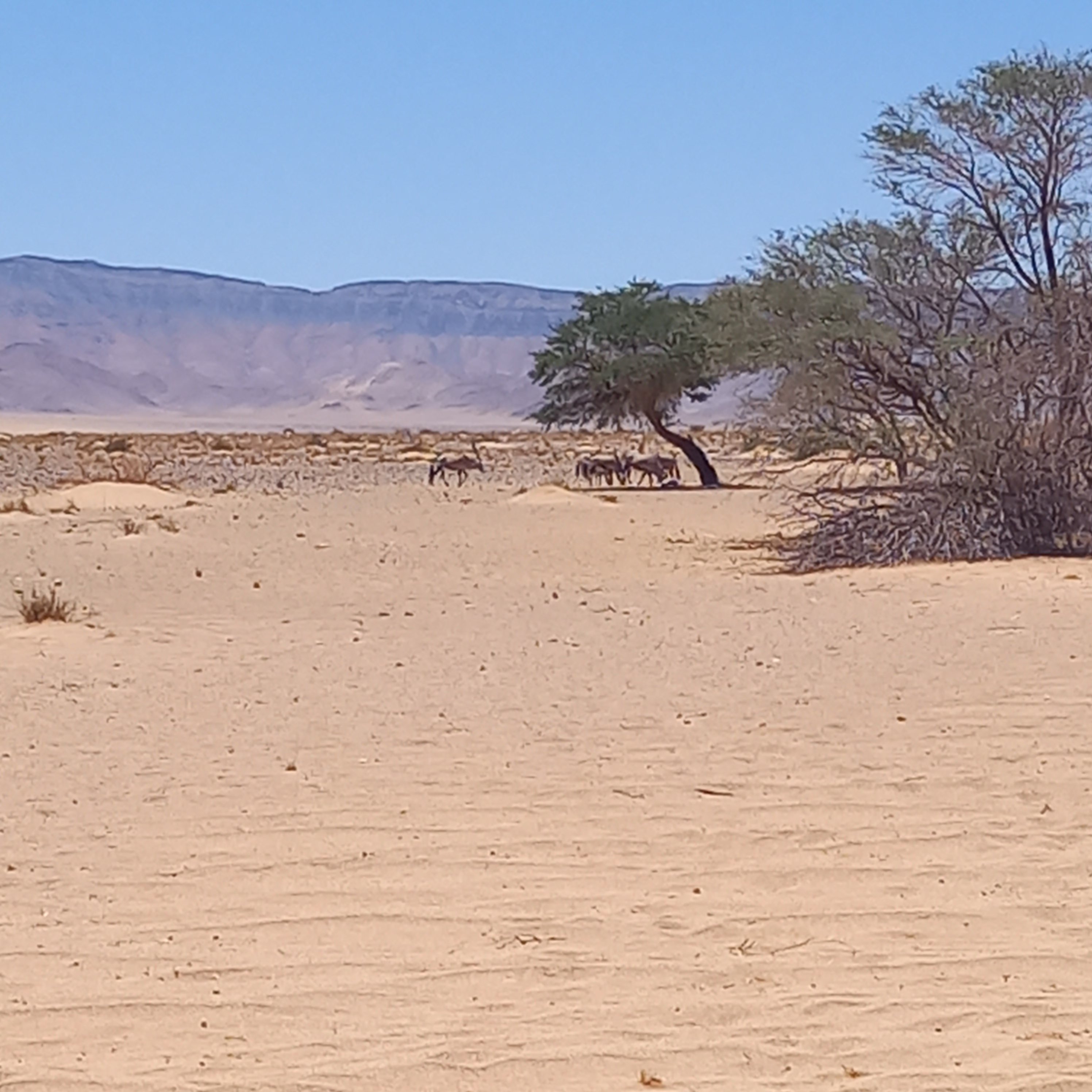
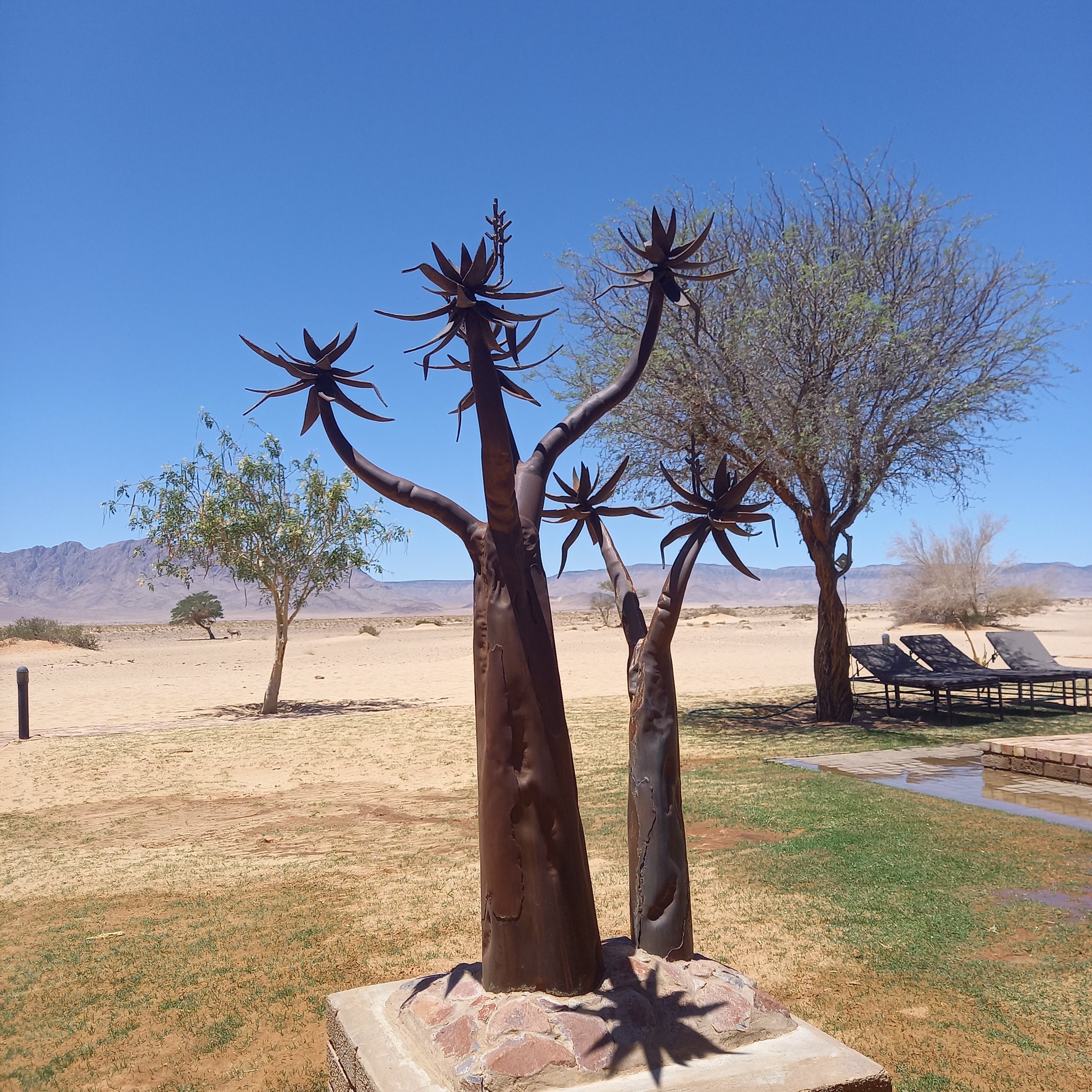
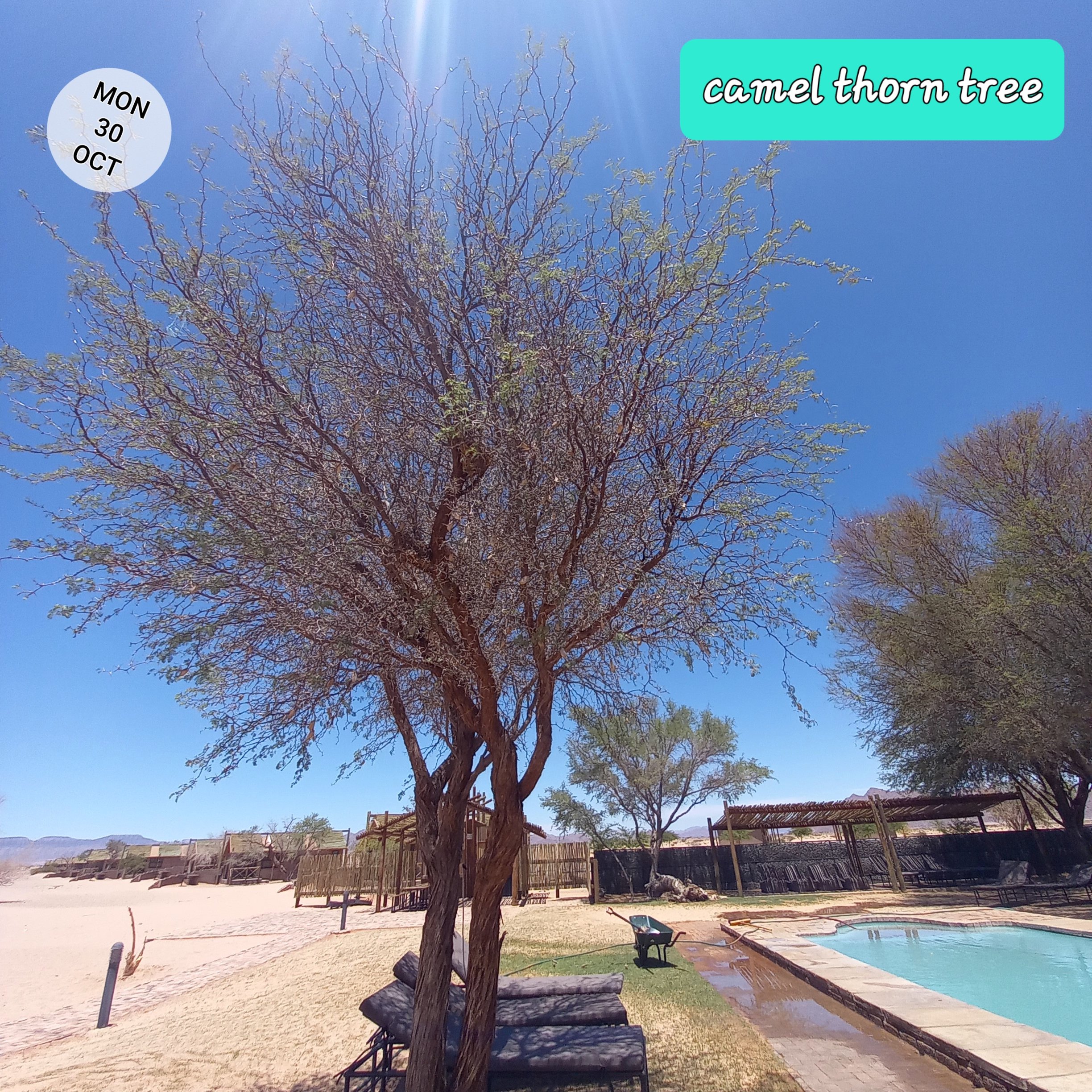
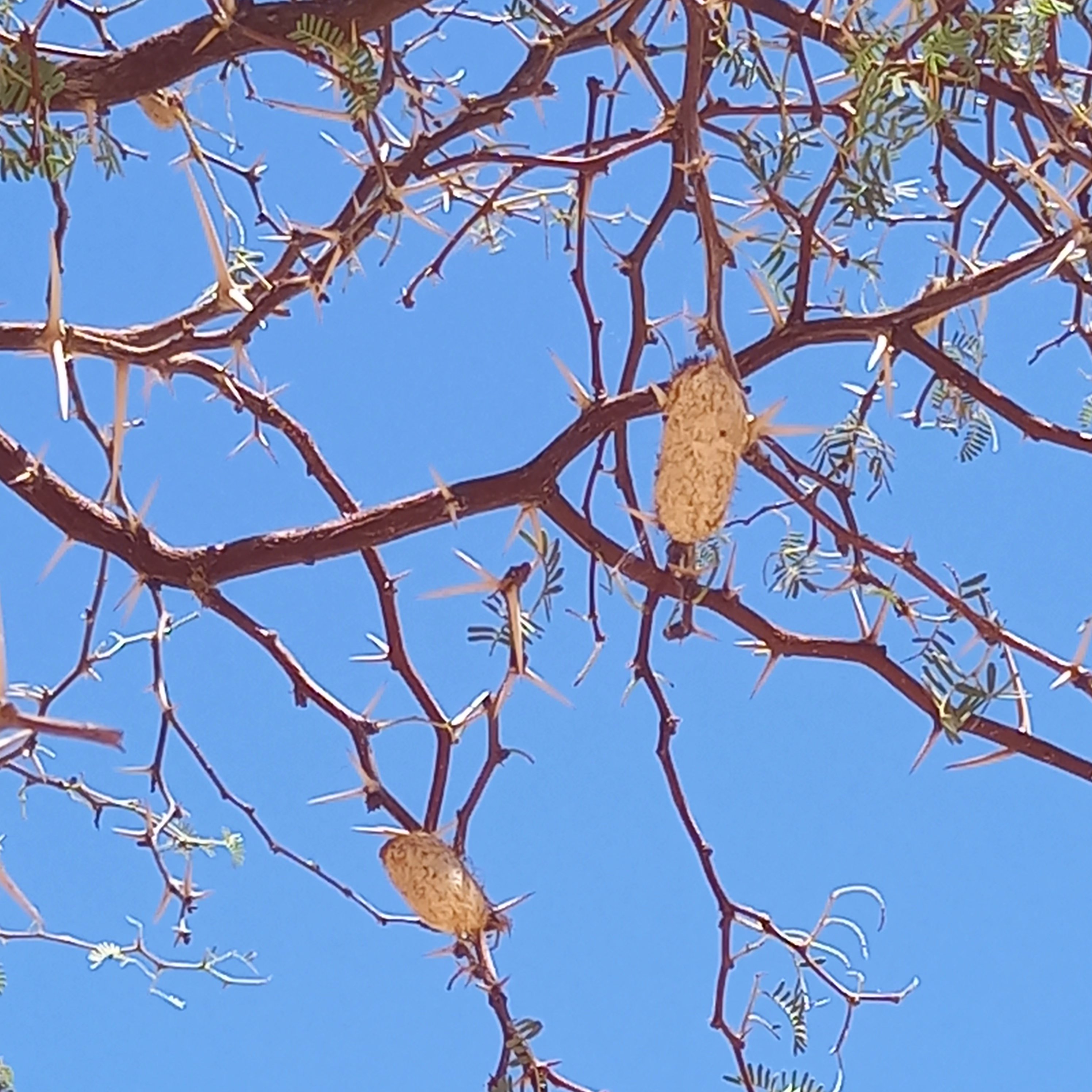
My room mate, enjoying the peace of our environment. Oryx at the water holeSculpture of the Quiver TreeCamel Thorn Tree with close up of massive seed pods. These allow the seed pods to survive in drought conditions, until the rain causes the casing around it to disintegrate, thus having a good chance of survival.
Eventually, the group returned. They were all exhausted and at least one of the group was ill from the heat. No one climbed dune 45.
We were here from the end of October to mid November, which is moving towards high summer. The temperature reaches 50′ C in December and the rain starts to fall. We were witnessing Southern Africa at the end of a very dry spell. As we moved up towards Zimbabwe, we saw the first of the rains starting, but that was not for another two weeks.
Our guides cooked us a delicious dinner. Next morning, I took a walk up the avenue- about a mile- so that I could loosen out my calf muscles which had begun to tighten up with all the sitting on the bus.
I had a great view of some buffalo that had come to drink at the waterholes. amazing powers of survival. I felt myself amazed at how living things adapted to nature. Coming from a country where we have almost continuous rain, this seemed like a miracle to me. We were to spend another week in this extraordinary Country of Namibia, travelling next to the coast and the vast expanses of beaches that dwarf any coastline in Europe.
 AH SURE AZURE