Category: Cooking

  • Wild Boars and Nature

    Wild Boars and Nature

    IMG_4301They are gruff , ugly and fierce. But they are sensitive to the changes in temperatures and the prolonged winter in a way that is lost to more regulated animals like milking cows. They have natural amounts of offspring, not forced to procreate several times a year to ‘maximise gain’. However they will naturally abort if they believe the weather may put the offspring at risk which has happened this year.

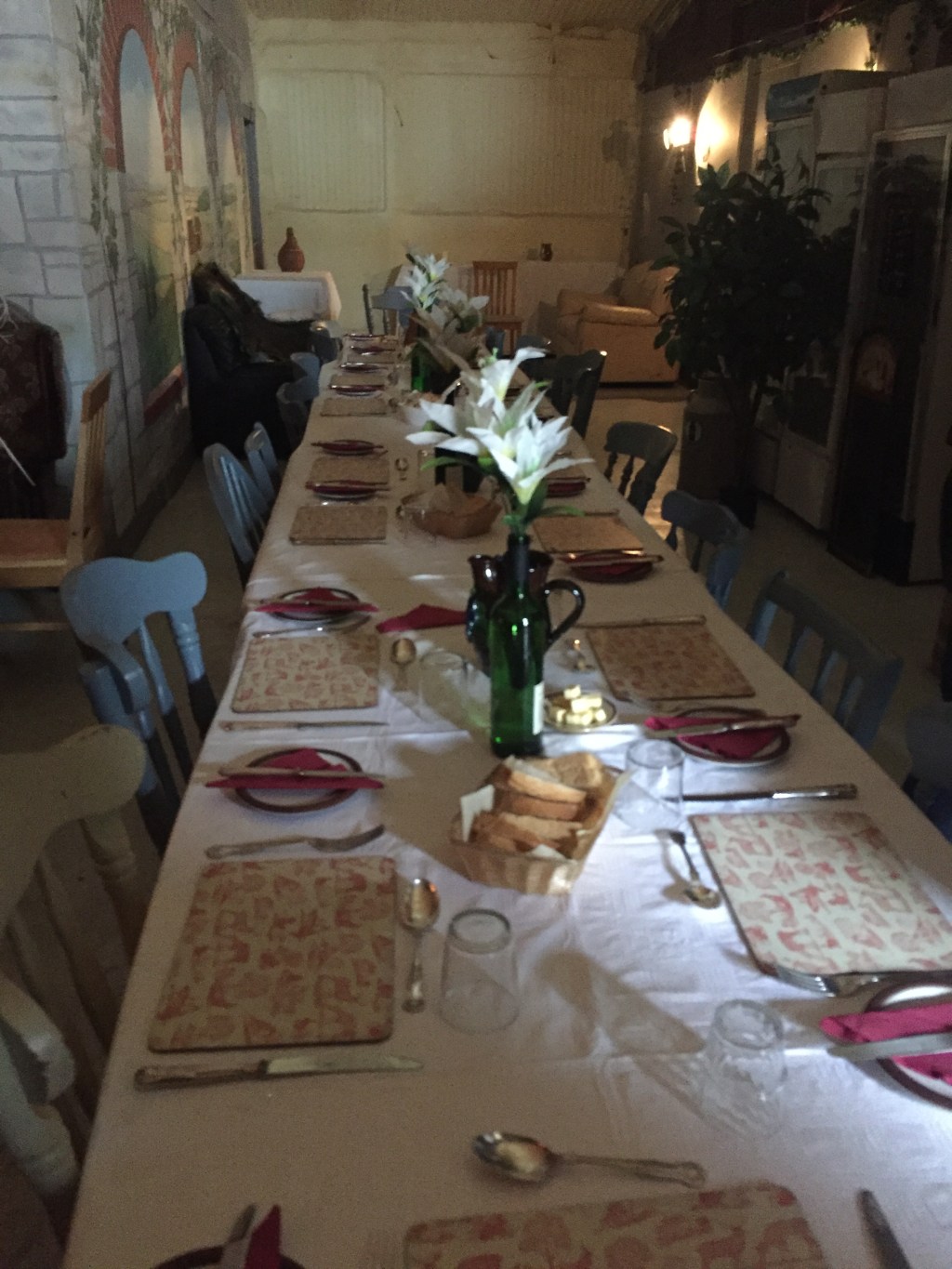
    Us aspiring chefs from the School of Food fell for their cuteness while farm owner Pat Mulcahy explained to us the market for their meat. Later we sampled wild boar sausage sitting in the simulated Italian wine cave. It was hard to believe we were in Mitchelstown. The frescoes of Tuscan landscapes that adorned the walls transported us to a warmer time and place.

    We were reminded of our dear, snorting truffling friends by the wild boar skins scattered here and there.IMG_5144

    What a diverse country we live in. A surprise round every corner.


  • Marmalading

    Marmalading

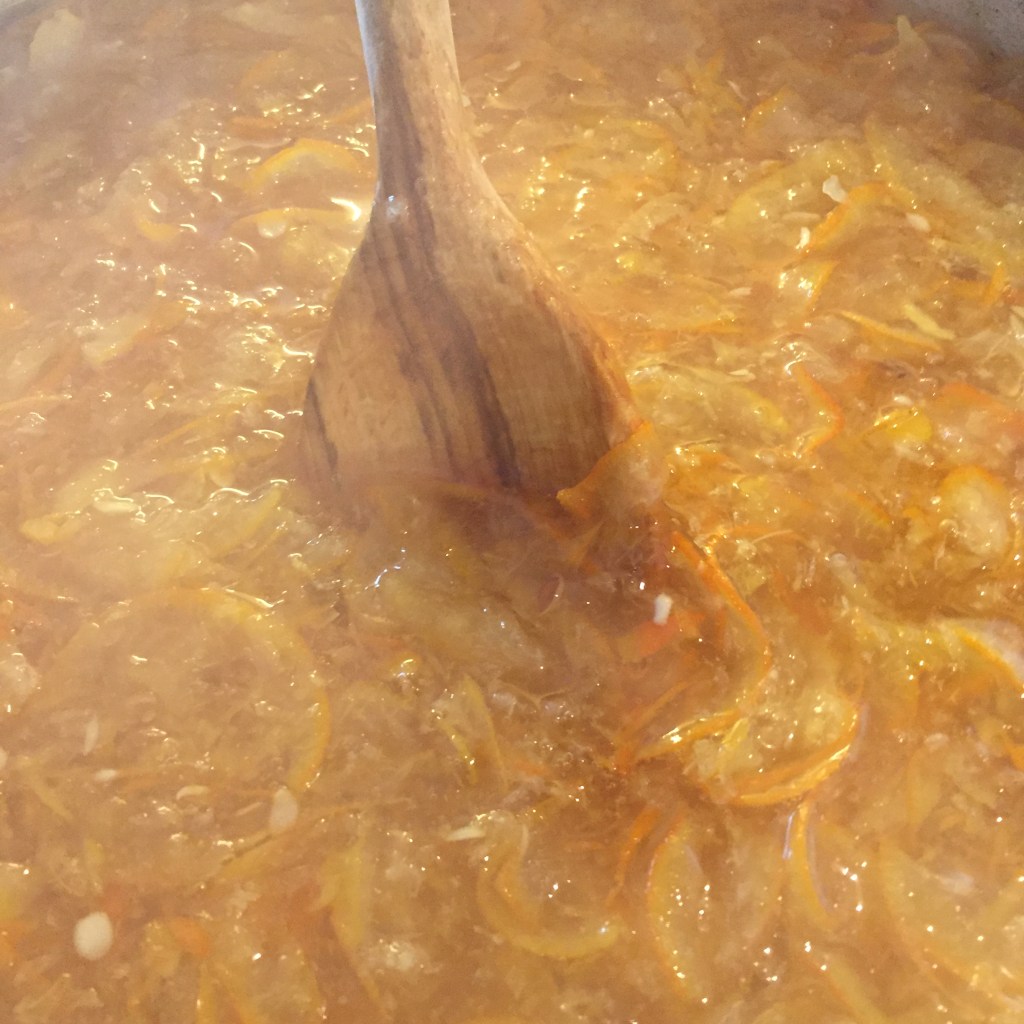
    It seems like an age since I bought a bag of bitter seville oranges and filled the kichen with the exciting tangy aroma of these citrus treats. What a way to warm your body and soul in January when the promise of sunshine and Spanish holidays arrives in the little mesh bag in our shops.

    Since then we have had snow storms and bitter winds. But my jar of home made marmalade has indeed brought a smile to my face in the mornings, lathered on top of brown soda bread and butter. My ultimate comfort food. Some thing about the bitterness of the soda bread combining with the texture of the orange rind.

    As a child I helped every year with the marmalade production. The Universal Marmalade Cutter was put to good use every year. I assumed everyone had one.

    IMG_4775But my friends were bemused when I produced it. It is actually on etsy as a cute antique.

    Using my mother’s recipe, which was sketchy at best, the first batch didn’t set. I implored her to make it set. She sadly passed away last September and I hoped she might still be able to help me in my predicament. But no, I am on my own with her cookbook from now on.

    As I cook, her phrases come to me and so much of my methods are learned from her. I get huge comfort from this connection. One of the wonderful things about cooking is this tremendous tradition that links us back generations.

    IMG_4535

    The top of the page is marked ‘Good. I always make this’. There are recipes in the book written by us as children. It is strange to recognise your sister’s childish writing or your brother’s bold capitals.

    A thousand moments are captured within its pages.

    IMG_4793 (more…)

  • Where the Oatmeal comes from

    Where the Oatmeal comes from

    Years and years of eating porridge and flapjacks, of collecting tokens from the packets, and only now I visit the source of all this delicious oatmeal. It dawned on me that many of the farmers on the east coast of Ireland were growing oats for the factory.

    It took a visit to the Waterford Greenway, linking Waterford

    image

    to Dungarven on a 48km stretch of disused railway for me to make the connection between my breakfast , the mill and the crop grown to make it.

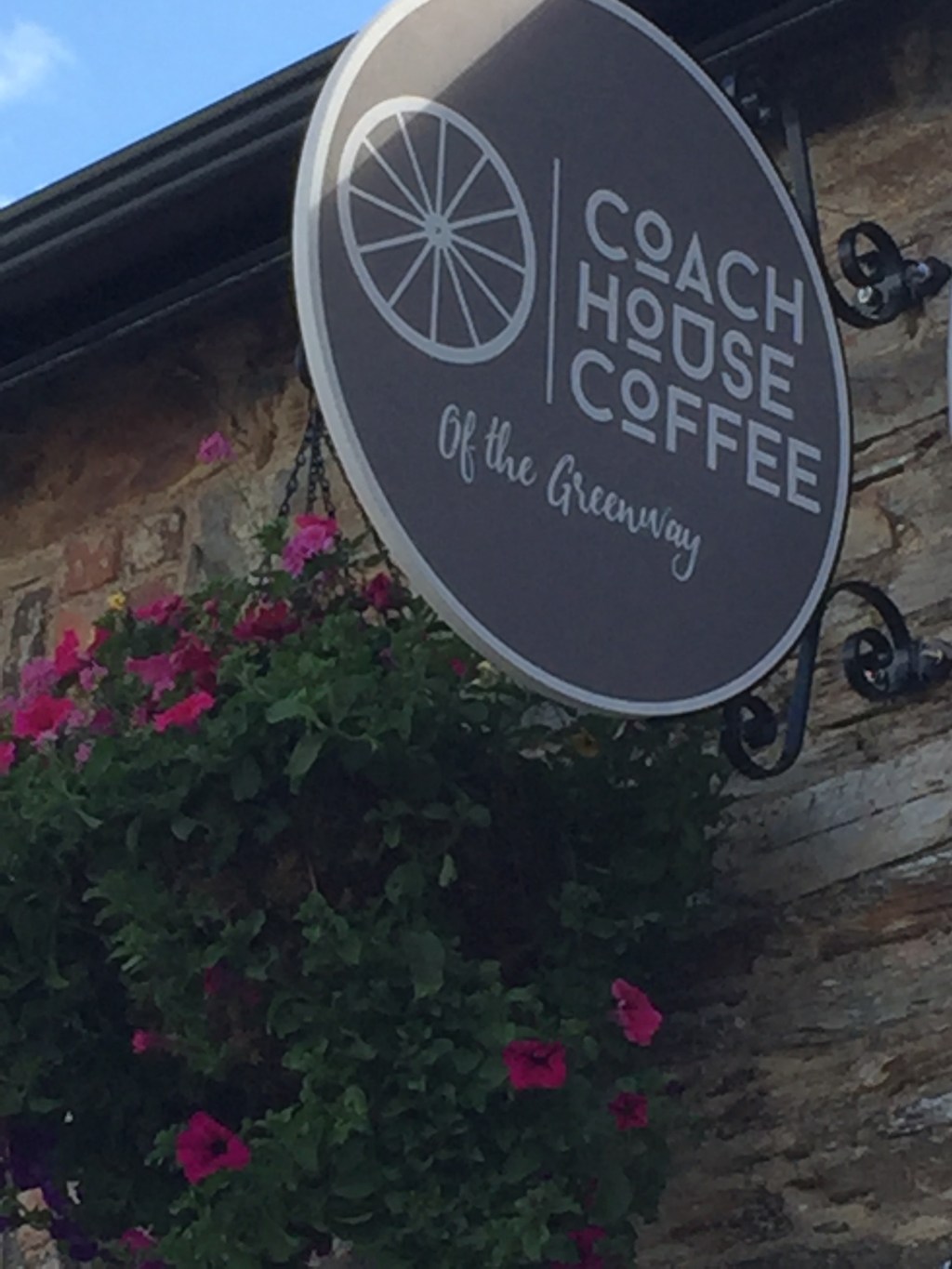
    Sitting in the Coach House cafe near Kilmacthomas, I felt I had to walk at least some of it if I was to get bragging rights for having been on the Grenway.

    So I walked the 1 km to Kilmacthomas village. Signs for the Mill but no actual sighting. Reillys traditional butchers where you can see them making sausages. No card machine-I was nearly checking to see that they had switched to the decimal system. Had to buy some wagon wheels eventhough they were made for children. A round of sausage meat with an circle of black pudding in the middle and finished off with pastry trimming as the wheel rim. I baked one later in the oven and they were a real treat.

    But back to KIlmacthomas and the Oatmeal. I wandered down the hill to the river. I was able to get back to the greemway by walking up to the Kilmacthomas viaduct. Enormous arches holdung up the now disused railway line.

    Up here I could look beyond the village. There in all its industrial magnificence was the Flahavans oat mill. I looked below and saw the river. Duh! Mill – has a millrace. Seems obvious but of course it would have originally been powered by water.

    It is a beautiful setting and looking over my other shoulder, I could see the village. I had an ‘Under Milkwood’ moment when I observed the comings and goings of the place from a distance.

    It was a revelation to me that my chilhood bowls of porridge had come from here. I would say there is not a child in Ireland who has not sat dejected in front of a bowl of porridge and been told not to leave the table until its finished. The misery of seeing snakes coiling in the bowl while anothe bite is forced down. This food has become aclaimed for its low glycaemic index in latter years and it has enjoyed a revival unparalled by any other food except maybe avocadoes.

    And still it comes from a mill on a river in a splendid corner of our beautiful country.